
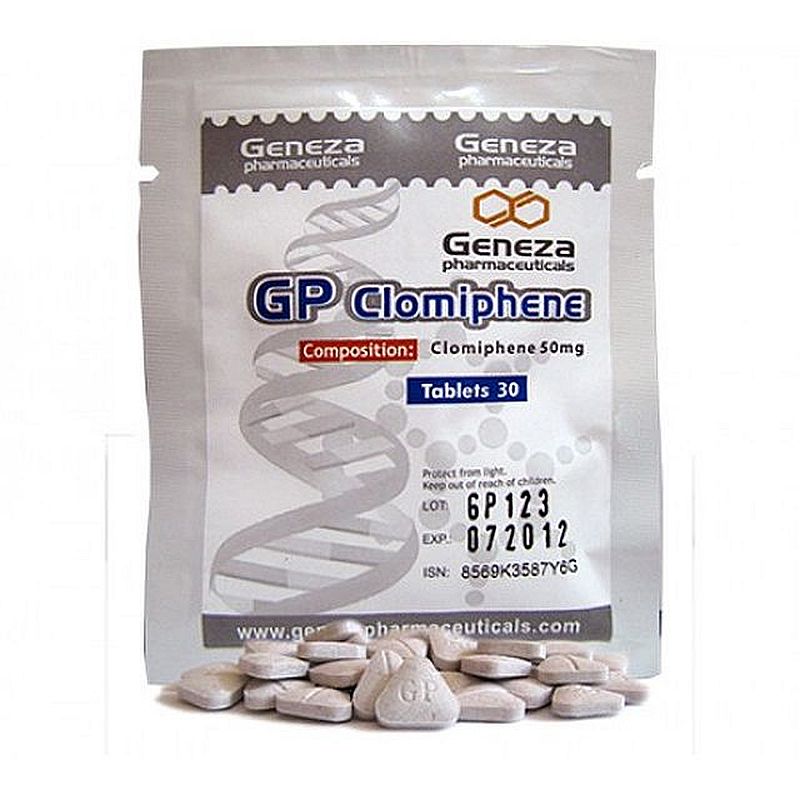
Q: I have read that Clomid and Novadex are very similar products. Is this true? If so why would you need to take both?
A: The administration of antiestrogens is a common treatment because anti-estrogens interfere with the normal negative feedback of sex steroids at hypothalamic and pituitary levels in order to increase endogenous gonadotropin-releasing hormone secretion from the hypothalamus and FSH and LH secretion directly from the pituitary. In turn, FSH and LH stimulate Leydig cells in the testes, and this has been claimed to lead to increased local testosterone production, thereby boosting spermatogenesis with a possible improvement in fertility. There may also be a direct effect of antiestrogens on testicular spermatogenesis or steroidogenesis.
Clomiphene is a synthetic derivative an estrogen. Clomid is a mixed agonist/antagonist for the estradiol receptor. Tamoxifen is a pure estradiol receptor antagonist. Clomid acts as an estrogen, rather than an antiestrogen, by sensitizing pituitary cells to the action of GnRH. Although tamoxifen is almost as effective as Clomid in binding to pituitary estrogen receptors, tamoxifen has little or no estrogenic activity in terms of its ability to enhance the GnRH-stimulated release of LH. The estrogenic action of Clomid at the pituitary represents a unique feature of this compound and that tamoxifen may be devoid of estrogenic activity at the pituitary level.
Perusal of the literature thus indicates that clomiphene acts in several ways in the human male; (a) due to its similarity of structure to stilbesterol it binds with receptor sites in the hypothalamus and pituitary, (b) It stimulates gonadotrophin secretion by acting on the hypothalamo-hypophyseal system, (c) the inhibitory effects of high levels of circulating estrogens (produced under the influence of clomiphene) on hypothalamo-hypophyseal axis are possibly prevented by its potent antiestrogenic behaviour. The result of these varied effects of clomiphene is an overall increase in gonadotrophin and estrogen secretion and accounts for their increase under clinical conditions.
In one study the administration of tamoxifen, 20 mg/day for 10 days, to normal males produced a moderate increase in luteinizing hormone (LH), follicle-stimulating hormone (FSH), testosterone, and estradiol levels, comparable to the effect of 150 mg of clomiphene citrate (Clomid). Treatment of patients with “idiopathic” oligospermia for 6 to 9 months resulted in a significant increase in gonadotropin, testosterone, and estradiol levels.
Cochran database summary showed ten studies involving 738 men were included. Five of the trials did not specify method of randomization. Antiestrogens had a positive effect on endocrinal outcomes, such as serum testosterone levels. Antiestrogens appear to have a beneficial effect on endocrinal outcomes, but there is not enough evidence to evaluate the use of antiestrogens for increasing the fertility of males with idiopathic oligo-asthenospermia.
In the over one-thousand patients I have treated for HPTA normalization after AAS cessation i have used the combination of clomiphene citrate and tamoxifen. I have used clomiphene citrate alone in many cases. I added tamoxifen to the protocol to see if I could get a better clinical response. This seemed to be the case although I have not had the opportunity to evaluate the data. When both compounds are used the clomiphene citrate is discontinued first and the tamoxifen is continued for 2 more weeks. as I stated in the post on hCG injections it is imperative to be tested while on the medications. thus one would be tested ~3-5 days before the tamoxifen expires. In the 1st stage described in the hCG post one tests for testosterone only. the serum T level determines whether or not the hCG is halted. In the typical situation the hCG is stopped and the CC & tamoxifen continued. the lab tests at the end of the oral meds is LH & T.
About the author

The research of Michael Scally focuses on returning individuals to normal physiology after the discontinuation of anabolic steroids. Dr. Scally has presented his medical protocol for the treatment of Anabolic Steroid Induced Hypogonadism before the Endocrine Society, American Association of Clinical Endocrinologists, American College of Sports Medicine, and International Workshop on Adverse Drug Reactions and Lipodystrophy in HIV. Dr. Scally is the author of "Anabolic Steroids - A Question of Muscle: Human Subject Abuses in Anabolic Steroid Research."
Leave a Reply
You must be logged in to post a comment.