
• Skip to main content
  • Skip to secondary menu
  • Skip to primary sidebar
  • Skip to footer
  • Steroid Profiles
  • Steroid Articles
    • Contributors
  • Steroid Forum
MESO-Rx

MESO-Rx

Anabolic Steroids

  • Anabolic Steroids
    • Anadrol
    • Anavar
    • Deca Durabolin
    • Dianabol
    • Equipoise
    • Masteron
    • Oral Turinabol
    • Primobolan Depot
    • Sustanon 250
    • Testosterone
    • Trenbolone Acetate
    • Winstrol Depot
  • hGH & Peptides
    • CJC-1295
    • GHRP-6
    • hGH
    • hCG
    • IGF-1
    • Melanotan II
    • MGF
    • Mod GRF 1-29
    • TB-500
  • Anti-Estrogens
    • Arimidex
    • Aromasin
    • Clomid
    • Letrozole
    • Nolvadex
  • Fat Loss
    • AICAR
    • Albuterol
    • Clenbuterol
    • DNP
    • Ephedrine
    • T3
    • Telmisartan
You are here: Home / Nutrition / Gaining Muscle Mass on a Vegetarian Diet

Gaining Muscle Mass on a Vegetarian Diet

August 12, 1998 by Lyle McDonald

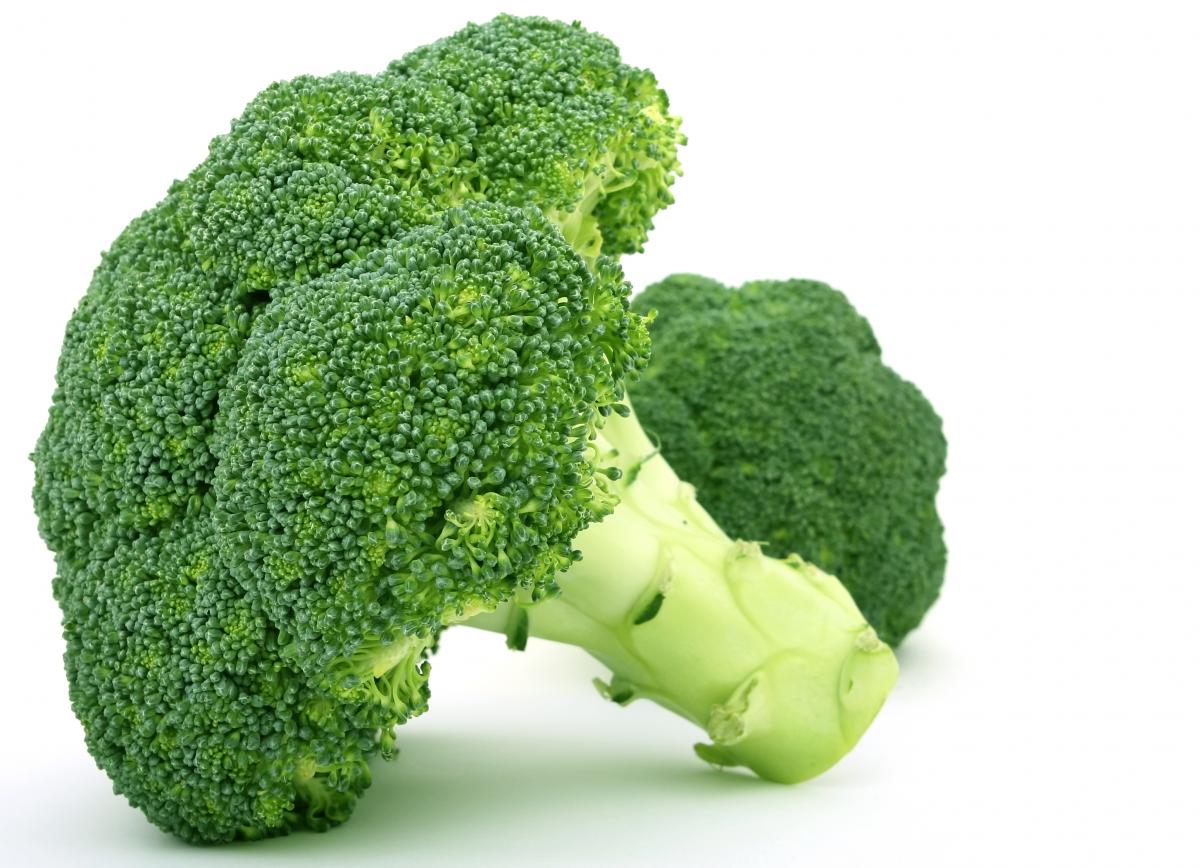
Vegetables - Broccoli

Dear Lyle,

I have been training for the past 5 months. I am a vegetarian. I want a good vegetarian diet that will help me gain Mass.

Answer:

I’ll say up front that I do not think a vegetarian diet is ideal for gaining muscle mass. Of course it depends on what degree of vegetarian you are. Since some readers have no idea what I’m talking about, I’ll describe each below.

Pseudo-vegetarian (my term): someone who doesn’t eat red meat but eats chicken and fish. These types of individuals typically give some spurious “But fish isn’t meat” argument. The way I figure it, dead animal is dead animal. These people aren’t ‘real’ vegetarians in my mind. Although I think red meat is an excellent part of a mass gaining diet, the chicken and fish content will ensure sufficient protein.

Ovo/Lacto vegetarians: this individual eats no animal flesh but does eat milk and eggs. As with the previous group, there shouldn’t be any problem gaining mass since both egg and milk are high quality proteins.

Vegan: this individual eats no food from animal sources. That means no eggs, milk, cheese, butter, or even honey. In my opinion, this type of individual will find it nearly impossible to gain mass.

With that in mind, let’s discuss the basics of gaining mass on ANY diet. To do so you need:

1. Adequate protein: in my experience (both as a vegetarian for about 6 months in college as well as knowing some) many vegetarians don’t get enough protein. an ex-girlfriend of mine basically lived on starches (bagels, pasta, rice). As long as you’re eating eggs or milk, it shouldn’t be as much of an issue. However there are an increasing number of vegetarian protein foods (soy based sausages and the like) that can provide protein if you won’t eat milk or eggs. A good guidelines for protein is a little less than 1 gram of protein per pound of bodyweight.

2. Adequate calories: This probably won’t be a problem for most vegetarians but it might be depending on fat intake. I find it difficult to consume enough calories eating a very low fat diet. You can only eat so much pasta, rice, etc. Good starting place for calories is 16 calories per pound and up. One individual I know needed 25 cal/lb. to start growing.

That’s a lot of rice.

3. Adequate fat: This ties into #2 but is also important in it’s own right. Extremely low fat diets have been shown to lower testosterone which will hurt muscle gains. As well, vegetarian diets tend to lower testosterone as well although it’s hard to separate the vegetarianism per se from other dietary facts (fat, calories). 15-25% of total calories or so should come from fat.

So depending on what level of a vegetarian you are, you may or may not have to worry about consuming enough protein. Past that follow the other basic rules of mass gaining: lots of small meals, protein in regular intervals, etc, etc.
Vegetables - Broccoli
Vegetables – Broccoli

About the author

Lyle McDonald

Lyle McDonald+ is the author of the Ketogenic Diet as well as the Rapid Fat Loss Handbook and the Guide to Flexible Dieting. He has been interested in all aspects of human performance physiology since becoming involved in competitive sports as a teenager. Pursuing a degree in Physiological Sciences from UCLA, he has devoted nearly 20 years of his life to studying human physiology and the science, art and practice of human performance, muscle gain, fat loss and body recomposition.

Filed Under: Nutrition, Steroid Articles

Primary Sidebar

Sponsors

Popular Articles

Parental warning steroids

What Do We Tell Teenagers About Anabolic Steroids?

Rick Collins' Advice to Teenagers (excerpted from Legal Muscle) The way I see it, most everything has risks and benefits. That's especially true of medications, such as anabolic steroids. The choice of whether or … [Read More...] about What Do We Tell Teenagers About Anabolic Steroids?

IFBB pro bodybuilder Kris Dim

Pro Bodybuilder Kris Dim’s Stroke, Heart Surgery and Anabolic Steroids

It was reported on the Internet that 34-year old IFBB Pro Bodybuilder Kris Dim had a near fatal stroke or aortic dissection this month while training. He also underwent emergency heart surgery which was successful. … [Read More...] about Pro Bodybuilder Kris Dim’s Stroke, Heart Surgery and Anabolic Steroids

Ask Patrick Arnold - steroid chemist who created THG

Ask Patrick Arnold #15

Norephedrine and PPA Is there a difference between Norephedrine and Phenylpropanolamine or are they one and the same? There seems to be a trend among the fat burning supplements to get away from ephedrine … [Read More...] about Ask Patrick Arnold #15

Male fitspiration

How Instagram Fitspiration Influences Male Body Standards

Introduction This is the second part of our three-part blog series focused on the relationship between bodybuilding and fitness influencers on Instagram and the wider societal impacts that their presence can … [Read More...] about How Instagram Fitspiration Influences Male Body Standards

Nandrolone unique effects

Nandrolone Insights: Unique Characteristics of Anabolic-Androgenic Steroids – Part 6

Introduction Nandrolone (17β-hydroxyestr-4-ene-3-one; 19-nortestosterone; 19-nor-4-androsten-17β-ol-3-one; Deca durabolin®; NPP), a member of the androst-4-ene-3-one class of anabolic-androgenic steroids (AAS), … [Read More...] about Nandrolone Insights: Unique Characteristics of Anabolic-Androgenic Steroids – Part 6

Footer

MESO-Rx International

MESO-Rx articles are also available in the following languages:

Deutsch, English, Español, Français, Português, Русский

Questions? Comments?

Use the following link to send us an e-mail. We will respond as soon as we can.

Contact us.

Search

Copyright © 1997–2025 MESO-Rx. All rights reserved. Disclaimer.