
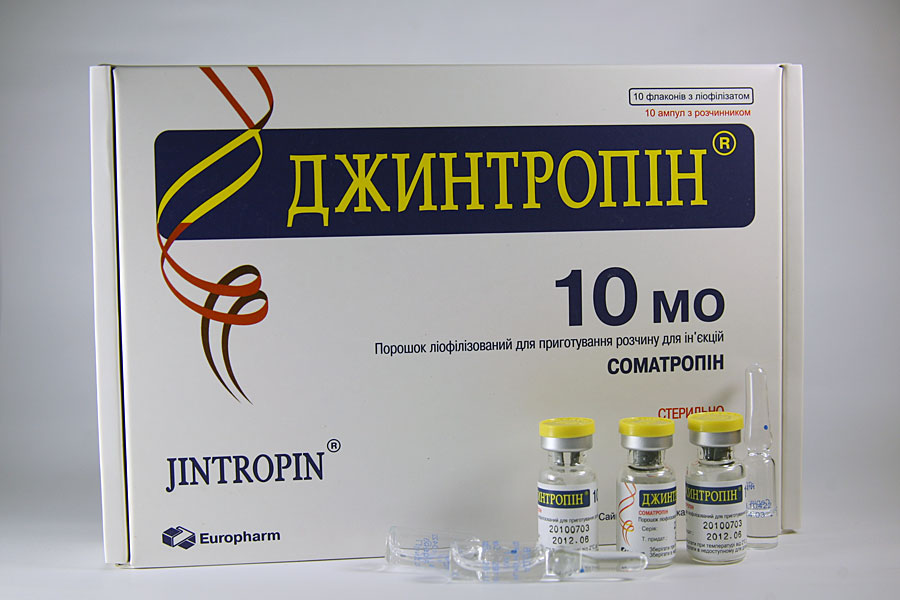
Growth hormone induced increase in serum IGFBP-3 level is reversed by anabolic steroids in substance abusing power athletes.
Researchers:
Karila T, Koistinen H, Seppala M, Koistinen R, Seppala T
National Public Health Institute, Laboratory of Pharmacology and Toxicology,
Helsinki, Finland.
Source:Clin Endocrinol (Oxf) 1998 Oct;49(4):459-63
Summary:
OBJECTIVE: Body builders may use growth hormone (GH) and anabolic steroids to increase muscle mass. GH increases serum concentrations of IGF-I and IGFBP-3. The combined effects of GH and anabolic androgenic steroids on IGFBP-3 and IGF-I levels are not known under authentic substance-abusing conditions. The aim of this study was to investigate this in substance-abusing power athletes.
DESIGN AND PATIENTS: Nine healthy, non-obese and non-competing male power athletes, all aggressive substance abusers, used GH and/or anabolic steroids independently of this study. Blood samples were taken both during and between the drug intake. Sixteen substance non-abusing wrestlers served as controls. MEASUREMENTS: Serum IGF-I concentration was measured by radioimmunoassay and the IGFBP-3 concentration was measured by two immunofluorometric assays, one detecting proteolytic fragments of IGFBP-3. The capacity of serum to proteolytically cleave IGFBP-3 was studied by the proteolysis assay.
RESULTS: While growth hormone increased the IGFBP-3 and IGF-I concentrations, anabolic steroids decreased the same. Concomitant use of growth hormone and anabolic steroids decreased the IGFBP-3 concentration in five out of six abuse periods in spite of the fact that the IGF-I concentration remained elevated in four of them. However, in two men who were on low calorie diet both the IGF-I and IGFBP-3 concentrations decreased during combined GH/anabolic steroid abuse. No proteolytic fragmentation of IGFBP-3 was observed.
CONCLUSION: Massive abuse of anabolic steroids (no pun intended) decreases both the basal and GH-stimulated IGFBP-3 concentrations, whereas its effects on serum IGF-I concentration are variable and affected by low calorie diet. This study demonstrates that detection of GH doping by measuring the IGF-I and/or IGFBP-3 levels has notable confounding factors.
Discussion:
Aside from the simple desire to understand the effects of combining GH and anabolic steroids, these researchers were evaluating the possibility of testing for GH use in athletes by looking at their Insulin-like growth factor binding protein (IGFBP-3 specifically) levels. Because GH is released in pulsatile fashion with an extremely short serum half-life, it is almost impossible to determine if tested levels represent exogenous injections or normal circadian fluctuations. GH concentrations are also significantly effected by dietary intake, making detection even more difficult. It is well known that GH administration significantly increases serum Insulin-like growth factors and their binding proteins. For this reason these researchers were testing the hypothesis that elicit GH use could be detected by measuring IGFBPs’ and specifically IGFBP-3.
To the researchers dismay, it was found in this study that concomitant use of anabolic steroids reversed the GH induced increase in IGFBP-3 even while IGF-1 was increase significantly. Because it is common to use both drugs together, this puts in serious question testing for IGFBP-3 to detect GH use among athletes.
Some of the subjects in this study were taking as much as 200 mg of steroidsper dayin addition to 4 IU per day of GH. This is well into the “heavy drug user” category even by todays standards. This is good in that it may accurately reflect what many guys are doing in real life.
When anabolics were taken along with GH, IGF-1 levels rose in all cases but two. The two cases in question were also on low calorie diets. This poses an additional obstacle to testing for GH by measuring IGF-1 or its binding proteins. On the positive side, it also presents us with further information about why using anabolics is less effective when on a low calorie diet even in the presents of adequate protein intake. Even when adding GH to the mix, the decrease in IGF-1 levels may significantly attenuate the accrual of lean mass.
Scientists will continue to search for more effective ways of testing athletes for drug use. As a result of their work, we are constantly uncovering new mechanisms and pathways by which these anabolic substances work in our bodies and how they interact with our training and diet. With understanding comes wisdom, and with wisdom comes power. The power to realize our aspirations. To some this means beating the system, to others it means building a better mouse trap!
Leave a Reply
You must be logged in to post a comment.