Boldenone and ethanol

mdhx3

Banned
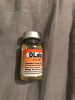
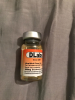
A friend of mine showed me some vials of his Eq; and I was looking at the ingredients. Evidently they used ethanol as the solvent. I did find that boldenone undecylenate is free soluble in ethanol while researching on one of the chemistry databases I use. But this doesn't seemupload_2018-2-2_7-10-16.png upload_2018-2-2_7-10-47.png right to me. Does anyone have any experience or knowledge on this matter? Is this "lab" within reason to use ethanol as a solvent?
I have experience with IV ethanol infusion in alcohol withdrawal patients from many years ago; but no experience with IM ethanol injection.
upload_2018-2-2_7-10-16.png
upload_2018-2-2_7-10-47.png
 
It's a liquid in the first place.
So you're just trying to thin it down and keep it sterile.

MCT oil is a decent option.
Ethanol would work, but I'd imagine PIP would be a bitch?
 
A friend of mine showed me some vials of his Eq; and I was looking at the ingredients. Evidently they used ethanol as the solvent. I did find that boldenone undecylenate is free soluble in ethanol while researching on one of the chemistry databases I use. But this doesn't seemView attachment 84327 View attachment 84328 right to me. Does anyone have any experience or knowledge on this matter? Is this "lab" within reason to use ethanol as a solvent?
I have experience with IV ethanol infusion in alcohol withdrawal patients from many years ago; but no experience with IM ethanol injection.
View attachment 84327
View attachment 84328
I don't think EQ is going to be too soluble in ethanol
For Boldenone Cyp, ethanol solubility is JUST 15 mg/ml
https://www.caymanchem.com/pdfs/15158.pdf
So I don't think adding ethanol is going to increase solubility.
(I don't think EQ ethanol solubility is going to be too different than B.Cyp either)

Ethanol can be used for sterility but:
1 It need to be very dry alcohol at least 95%, preferably absolute alcohol or dried with molecular sieves, so water won't crash or make oil turbid.
Ethanol - Wikipedia
2 I believe (not entirely sure though) that while 1% BA is usually enough to keep sterility, more than 1% Ethanol would be needed = PIP
3 On the other hand, while painful, ethanol is less damaging to the human body than BA is. Not for nothing in EU countries BA is limited to less than 1%.


From time to time new ethanol containing formulations arise
i.e. Brain Wainstein' GenXXL/Axio

When this whole Axio project started the leader Brian Weinstein insisted on following the instructions of his Israeli chemist ( some know as Dr. S. or Karlo). This chemist introduced his formula where instead of Benzyl Benzoate (BB) high grade Ethanol was used in the recipe as a solvent. This is why Axio always smelled like rocket fuel by the way. The first batches of Axio were excellent and contained the high grade ethanol. These formulas were developed for optimum results of the product, any bio assay test will confirm it.
100% Ethanol is a very explosive material, it was not available on the local Israelian market and had to be imported just like the first batch. This time the airport security did not allow it on the plane and they could not import it. This is the reason why Ethanol alcohol was replaced by Isopropyl alcohol in the formula. Nothing new for the chemists, Retabolil by Ghedeon Richter is using 20 percent Isopropyl alcohol , the whole BM line (India) is using 20 percent Isopropyl alcohol too. In Axio isopropyl alchohol was used at lower levels. Apparently this Isopropyl batch made the gear very painful. BM (India) is having exactly the same problems. At first they thought it was an filters and sterility issue, but the tests showed the oil was sterile. Only after the chemists insisted on using BB instead of all the alcohols, the gear came back to normal. Brian never listened to these facts though. Syntrop was using Ethanol as well. I see it as one and the same problem they faced. Both know same chemists in Israel. Geneza is absolutely painless, Benzyl Alcohol and Benzyl Benzoate are used only. Some labs still use ethanol but changed the declaration on the label to Benzyl Benzoate because the use of alcohols in injectable steroids is unknown to some end-users and therefore unwanted. To be sure if ethanol is used you can smell the products, ethanol has a typical sweet taste which is of course changes from product to product.

Due to this dispute some people felt abused and gave us there opinion. Where one person involved blamed the isopropyl alcohol an other thought otherwise:

If you ask for my opinion then too many parameters were problematic in the Axio product (and most probably later on with Syntrop this is the same shit as you know) from using wrong filters, making mistakes in the calculation of the different ingredients in the formula in practice, using low grade solvents which were bought somewhere in Moldova, not to mention that Brian shippers fill the vials in place…. Oh my god it’s unbelievable …. They do it like you fill a glass of beer in a bar … but as I said I have no clue what exactly went wrong there, I’ve never tested his products either.

If you feel no affinity with the product you are manufacturing, but only are in it for the money, you’ll never be able to stay in this market. It will lead to disinterest and questionable products.
GenXXL – AXIO – Syntrop – Biogen and their offspring – BODY-MASS Sveriges i särklass bästa steroidforum
 
PIP is what I was thinking too. Also, wondering if ethanol would pull in moisture from the outside environment before sealing the vial.
When I saw the label I was like “WTF?”; and I started researching.
It just seems weird to me.
He just told me his Tren-E has the exact same thing on the label.
It's a liquid in the first place.
So you're just trying to thin it down and keep it sterile.

MCT oil is a decent option.
Ethanol would work, but I'd imagine PIP would be a bitch?
 
You are correct. Somehow I ready solubility “150mg/mL” when I first looked it up. Thanks for the correction.
Now using ethanol makes even less sense to me.
PIP is what I was thinking too. Also, wondering if ethanol would pull in moisture from the outside environment before sealing the vial.
When I saw the label I was like “WTF?”; and I started researching.
It just seems weird to me.
He just told me his Tren-E has the exact same thing on the label.
 
I don't think EQ is going to be too soluble in ethanol
For Boldenone Cyp, ethanol solubility is JUST 15 mg/ml
https://www.caymanchem.com/pdfs/15158.pdf
So I don't think adding ethanol is going to increase solubility.
(I don't think EQ ethanol solubility is going to be too different than B.Cyp either)

Ethanol can be used for sterility but:
1 It need to be very dry alcohol at least 95%, preferably absolute alcohol or dried with molecular sieves, so water won't crash or make oil turbid.
Ethanol - Wikipedia
2 I believe (not entirely sure though) that while 1% BA is usually enough to keep sterility, more than 1% Ethanol would be needed = PIP
3 On the other hand, while painful, ethanol is less damaging to the human body than BA is. Not for nothing in EU countries BA is limited to less than 1%.


From time to time new ethanol containing formulations arise
i.e. Brain Wainstein' GenXXL/Axio

When this whole Axio project started the leader Brian Weinstein insisted on following the instructions of his Israeli chemist ( some know as Dr. S. or Karlo). This chemist introduced his formula where instead of Benzyl Benzoate (BB) high grade Ethanol was used in the recipe as a solvent. This is why Axio always smelled like rocket fuel by the way. The first batches of Axio were excellent and contained the high grade ethanol. These formulas were developed for optimum results of the product, any bio assay test will confirm it.
100% Ethanol is a very explosive material, it was not available on the local Israelian market and had to be imported just like the first batch. This time the airport security did not allow it on the plane and they could not import it. This is the reason why Ethanol alcohol was replaced by Isopropyl alcohol in the formula. Nothing new for the chemists, Retabolil by Ghedeon Richter is using 20 percent Isopropyl alcohol , the whole BM line (India) is using 20 percent Isopropyl alcohol too. In Axio isopropyl alchohol was used at lower levels. Apparently this Isopropyl batch made the gear very painful. BM (India) is having exactly the same problems. At first they thought it was an filters and sterility issue, but the tests showed the oil was sterile. Only after the chemists insisted on using BB instead of all the alcohols, the gear came back to normal. Brian never listened to these facts though. Syntrop was using Ethanol as well. I see it as one and the same problem they faced. Both know same chemists in Israel. Geneza is absolutely painless, Benzyl Alcohol and Benzyl Benzoate are used only. Some labs still use ethanol but changed the declaration on the label to Benzyl Benzoate because the use of alcohols in injectable steroids is unknown to some end-users and therefore unwanted. To be sure if ethanol is used you can smell the products, ethanol has a typical sweet taste which is of course changes from product to product.

Due to this dispute some people felt abused and gave us there opinion. Where one person involved blamed the isopropyl alcohol an other thought otherwise:

If you ask for my opinion then too many parameters were problematic in the Axio product (and most probably later on with Syntrop this is the same shit as you know) from using wrong filters, making mistakes in the calculation of the different ingredients in the formula in practice, using low grade solvents which were bought somewhere in Moldova, not to mention that Brian shippers fill the vials in place…. Oh my god it’s unbelievable …. They do it like you fill a glass of beer in a bar … but as I said I have no clue what exactly went wrong there, I’ve never tested his products either.

If you feel no affinity with the product you are manufacturing, but only are in it for the money, you’ll never be able to stay in this market. It will lead to disinterest and questionable products.
GenXXL – AXIO – Syntrop – Biogen and their offspring – BODY-MASS Sveriges i särklass bästa steroidforum
You are correct. Somehow I read the solubility was “150mg/mL” when I first looked it up. Now using ethanol makes even less sense to me.
 
How bad is PIP?
Does the label say how much ethanol it contains?
I guess it hurts some because that is why he brought me the vial; but pain is subjective and I have never tried boldenone. I have no reason to think he is exaggerating though.
No it just says it contains ethanol. Ratio is unknown.
 
I guess it hurts some because that is why he brought me the vial; but pain is subjective and I have never tried boldenone. I have no reason to think he is exaggerating though.
No it just says it contains ethanol. Ratio is unknown.
Boldenone PIP entirely depends on how it's brewed
I've tried mexican veterinary boldenones that hurt like hell, probably brewed with 5% BA or something like that
to my own brew, 1%BA, no BB. Painless.

Would you mind injecting yourself a couple ml and posting back?
 
Boldenone PIP entirely depends on how it's brewed
I've tried mexican veterinary boldenones that hurt like hell, probably brewed with 5% BA or something like that
to my own brew, 1%BA, no BB. Painless.

Would you mind injecting yourself a couple ml and posting back?
Well, I’m gonna try eq at some point; but not this one. I have no idea what this vial has seen or the practices with which it was used. I have contaminated gearophobia.
He said it hurts and asked me advice; so I’m not gonna shoot it in myself to see what it feels like.
 
@biggerben69 is this the same DLabs that got busted recently? Figured you would recognize the vial if they are the ones.
Sorry for the late reply. I'm not aware of a "D-labs" being busted. Dynasty Labs was busted 2 Fridays ago. The man behind Dynasty, that is. He hasn't been actively sourcing Dynasty since June/July.
 
Sorry for the late reply. I'm not aware of a "D-labs" being busted. Dynasty Labs was busted 2 Fridays ago. The man behind Dynasty, that is. He hasn't been actively sourcing Dynasty since June/July.

No sweat, brother. Oh duh, you're right. i keep associating Dynasty with DLabs for some reason. My bad. Thanks for the clarification.
 
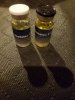
Won these in a contest on another board. It contains ethanol n BA. Haven't used them so can't speak on the PIP but I thought the ethanol was odd too.

20180204_141119.jpg
 
Won these in a contest on another board. It contains ethanol n BA. Haven't used them so can't speak on the PIP but I thought the ethanol was odd too.

View attachment 84551
While ethanol is unusual
it doesn't really point to sloppy manufacturing
as high-grade (very dry) ethanol is actually more expensive and maybe even harder to get than BA is.
So I'd give it a try.
Just sterile filter it before pinning, just in case.

You can always dilute it by half or so on the first pin
if you fear it'll cause insane PIP.
 
Won these in a contest on another board. It contains ethanol n BA. Haven't used them so can't speak on the PIP but I thought the ethanol was odd too.

View attachment 84551
I found it interesting that vegetable oils and ethanol aren't a particularly good mix. I couldn't figure out how to post the link to this article; but this is the summary.

"The solubility of vegetable oils in aqueous ethanol depends on the concentration of alcohol and temperature of the system. At ordinary temperatures even absolute alcohol is not a good solvent for vegetable oils since the solubility is even less than 10 g. of oil per 100 g. of alcohol. Mowrah, safflower, peanut, and cottonseed oils are soluble in absolute alcohol at 70°C. All the oils investigated are found to be miscible above the boiling point of alcohol even if the concentration is 98%. In 95% ethanol they are miscible between 90° and 100°C. Addition of a good solvent, like n-hexane, increases the solubility of oils, and the solubility temperatures are lowered. From the results obtained by various methods of solubility determination it is found that the apparatus employed in the present work yields more reliable results by eliminating the visual observation of turbidity temperatures, ensuring vigorous stirring and allowing sufficient amount of time to attain equilibrium conditions in determining the solubilities of vegetable oils."

I could only find a few injectable medications containing ethanol in a pharmaceutical database; and only one of those I found were for intramuscular injection. Most ethanol containing pharmaceutical medications are chemotherapeutics and antineoplastics.

It just seems like a bad idea with little research to back up the practice.

Still, the lab in your photo seems to have quite a following on the internet.

Figuring this out is above my paygrade.
 
Ethanol is a water miscible co-solvent. These ethanol containing injectables are officially a bad idea.

"The use of water miscible co-solvents can lead to undesirable
side effect for e.g. intramuscular injection of propylene glycol-
water, ethyl alcohol-water & polyethylene glycol (PEG) 400 water
mixtures was found to cause muscle damage as measured by
in vitro release of creatinine kinase from isolated rat skeletal
muscle (37"


Excipient Selection In Parenteral Formulation Development (PDF Download Available). Available from: Excipient Selection In Parenteral Formulation Development (PDF Download Available) [accessed Feb 05 2018].
 
I found it interesting that vegetable oils and ethanol aren't a particularly good mix. I couldn't figure out how to post the link to this article; but this is the summary.

"The solubility of vegetable oils in aqueous ethanol depends on the concentration of alcohol and temperature of the system. At ordinary temperatures even absolute alcohol is not a good solvent for vegetable oils since the solubility is even less than 10 g. of oil per 100 g. of alcohol. Mowrah, safflower, peanut, and cottonseed oils are soluble in absolute alcohol at 70°C. All the oils investigated are found to be miscible above the boiling point of alcohol even if the concentration is 98%. In 95% ethanol they are miscible between 90° and 100°C. Addition of a good solvent, like n-hexane, increases the solubility of oils, and the solubility temperatures are lowered. From the results obtained by various methods of solubility determination it is found that the apparatus employed in the present work yields more reliable results by eliminating the visual observation of turbidity temperatures, ensuring vigorous stirring and allowing sufficient amount of time to attain equilibrium conditions in determining the solubilities of vegetable oils."

I could only find a few injectable medications containing ethanol in a pharmaceutical database; and only one of those I found were for intramuscular injection. Most ethanol containing pharmaceutical medications are chemotherapeutics and antineoplastics.

It just seems like a bad idea with little research to back up the practice.

Still, the lab in your photo seems to have quite a following on the internet.

Figuring this out is above my paygrade.

Ethanol is a water miscible co-solvent. These ethanol containing injectables are officially a bad idea.

"The use of water miscible co-solvents can lead to undesirable
side effect for e.g. intramuscular injection of propylene glycol-
water, ethyl alcohol-water & polyethylene glycol (PEG) 400 water
mixtures was found to cause muscle damage as measured by
in vitro release of creatinine kinase from isolated rat skeletal
muscle (37"


Excipient Selection In Parenteral Formulation Development (PDF Download Available). Available from: Excipient Selection In Parenteral Formulation Development (PDF Download Available) [accessed Feb 05 2018].
They use so little ethanol that's miscible with oil at such low concentrations.
While unusual, oil+ethanol is an acceptable pharmaceutical practice:

Injectable formulations comprising ethanol, sesame oil, and an Immune Response Modifier compound are disclosed...
Patent WO2015069535A1 - Sesame oil based injection formulations


Fulvestrant is solubilized in a mixture of castor oil, ethanol, and benzyl alcohol in Faslodex for intramuscular injection...
https://www.researchgate.net/profil...rmulations/links/559151f008ae1e1f9bafe393.pdf


Castor oil was used as model oil and thymol, menthol, camphor, phenol, ethanol, benzyl alcohol and oleic acid were used as model oil soluble/miscible addatives. Oily injection was made as a result of oily solubility effect of these additives...
http://citeseerx.ist.psu.edu/viewdoc/download?doi=10.1.1.639.8063&rep=rep1&type=pdf


Tamoxifen is not soluble in water. Oil should be added after suspending tamoxifen in a small volume of ethanol. Note that after sonication the tamoxifen stock solution might still be slightly turbid. Variations of the standard protocol include the use of peanut oil or Miglyol instead of sunflower oil or the use of OHT...
Can anyone provide help concerning the preparation and injection...
 
Where to begin.....

So, one of the items you posted was the same study that I used. In that same study; there are only 2 examples of medications containing BOTH an oil and ethanol for injection. One of them is propofol for IV infusion/bolus injection; and the other is fulvestrant for IM injection. These 2 examples using ethanol and oil, out of a multitude of listed solvent-cosolvent medications, allows deduction that the practice is niche at best.
Furthermore propofol, one of the medications listed, is an emulsion which must be shaken before administration.

My question was not CAN ethanol be used; but rather WHY would ethanol be used in IM oil based injections?

You mention that the concentrations are so low that it is miscible in oil. I believe that this is incorrect because:
1) one of the medications is an emulsion therefore removing any comparison to properties of solution.
2) the other medication also contains benzyl benzoate and benzyl alcohol, suggesting that the ethanol is not sufficient as a single solvent for the medication.
Additionally, how could one have the slightest clue how much ethanol these companies use?

Now in the case of fulvestrant, I could see if they needed an additional cosolvent to dissolve the active ingredient. According to the chart for that medication; benzyl benzoate and benzyl alcohol are already at maximum approved concentrations. It appears that the manufacturer turned to ethanol as a last result when the other cosolvents failed to maintain solution.
This begs the question: why max out on BB and BA if cosolvent with ethanol for injection is a good practice.


In the case of the vials that I and @Jeffg353 posted, it appears that the manufacturer used ethanol instead of benzyl benzote.

I do not intend to be argumentative; but I feel like I need to know why these 2 labs use ethanol.
Some of the other links you posted were all but irrelevant to the question at hand because the focus was oral elixir, suspension, or solution.

I have devoted most of the last year in research on the topic of using and making my own AAS; so I am particular about which pieces of information I consider valid.
The excerpt about ethanol causing muscle tissue destruction was not theory; but tested on rats.

I really appreciate your help and the challenge to my way of thinking; but I spent a lot of time reading what you posted and got absolutely no helpful information that I didn't use already in my initial post.

 

Sponsors

Latest posts

Back
Top