
MESO-Rx
Anabolic Steroids

Navigation
Install the app
How to install the app on iOS
Follow along with the video below to see how to install our site as a web app on your home screen.
Note: This feature may not be available in some browsers.
More options
Style variation
Guest viewing is limited
- You have a limited number of page views remaining
- 6 guest views remaining
- Register now to remove this limitation
- Already a member? Click here to login
You are using an out of date browser. It may not display this or other websites correctly.
You should upgrade or use an alternative browser.
You should upgrade or use an alternative browser.
(US) Vendor gear found with dissolved brewing equipment (Plastic)
- Thread starter Photon
- Start date
R
readalot
Guest
I understand. Thanks for the reply.Not really. I understand that gcms isn't the perfect test for it, but this is what shows up on it when the plastic piece is fully dissolved in bb.
At this point it's a sunk cost for me. I have no plans to use any of their gear in future. Plenty have bought their gear. I've already done the initial legwork and if they're concerned I'm sure they can do what's needed and get their gear tested. I believe what is encouraged here is to 'test your gear' and not rely on people to test.
There's also the fact that 3rd party and vendor testing are not in sync which means that multiple batches may be at play. We don't really know what we're testing lol.

Dial It In
Member
Is this the case for the 3rd line on these results?
Benzenemethanamine, N-(phenylmethylene)- is a chemical impurity, not an active ingredient, found in some illegally produced anabolic steroids. Its presence is a sign of poor quality control and unregulated manufacturing practices, which pose serious health risks to users.
Here is a breakdown of why this compound might appear in illicit steroids:
1. Byproduct of chemical synthesis
Benzenemethanamine, N-(phenylmethylene)- (also known as N-benzylidenebenzylamine) is formed by a reaction between benzylamine (benzenemethanamine) and benzaldehyde.
It is possible that these chemicals are used as reagents or precursors in the synthesis of certain anabolic steroids in unregulated, underground laboratories.
If the reaction is not properly controlled or purified, the unreacted starting materials or the benzenemethanamine, N-(phenylmethylene)- byproduct can remain in the final product as a contaminant.
2. Failure to purify the product
In legal pharmaceutical manufacturing, strict purification methods are used to remove impurities like benzenemethanamine, N-(phenylmethylene)-. These can include repeated crystallization, chromatography, and other techniques.
Illicit labs lack the equipment and expertise to properly purify their products, leading to a high rate of contamination with unwanted chemicals.
3. Deliberate adulteration
Because illegal steroids are not regulated, the product is often found to contain either a different active substance than declared or a different amount than claimed.
In some cases, manufacturers may intentionally mix products with cheaper chemicals or cutting agents to increase their volume and lower production costs.
Health risks
The presence of benzenemethanamine, N-(phenylmethylene)- and other impurities from unregulated production can cause severe health issues beyond the already-documented risks of anabolic steroid use.
Benzenemethanamine, N-(phenylmethylene)- is a chemical impurity, not an active ingredient, found in some illegally produced anabolic steroids. Its presence is a sign of poor quality control and unregulated manufacturing practices, which pose serious health risks to users.
Here is a breakdown of why this compound might appear in illicit steroids:
1. Byproduct of chemical synthesis
Benzenemethanamine, N-(phenylmethylene)- (also known as N-benzylidenebenzylamine) is formed by a reaction between benzylamine (benzenemethanamine) and benzaldehyde.
It is possible that these chemicals are used as reagents or precursors in the synthesis of certain anabolic steroids in unregulated, underground laboratories.
If the reaction is not properly controlled or purified, the unreacted starting materials or the benzenemethanamine, N-(phenylmethylene)- byproduct can remain in the final product as a contaminant.
2. Failure to purify the product
In legal pharmaceutical manufacturing, strict purification methods are used to remove impurities like benzenemethanamine, N-(phenylmethylene)-. These can include repeated crystallization, chromatography, and other techniques.
Illicit labs lack the equipment and expertise to properly purify their products, leading to a high rate of contamination with unwanted chemicals.
3. Deliberate adulteration
Because illegal steroids are not regulated, the product is often found to contain either a different active substance than declared or a different amount than claimed.
In some cases, manufacturers may intentionally mix products with cheaper chemicals or cutting agents to increase their volume and lower production costs.
Health risks
The presence of benzenemethanamine, N-(phenylmethylene)- and other impurities from unregulated production can cause severe health issues beyond the already-documented risks of anabolic steroid use.
R
readalot
Guest
See here.Is this the case for the 3rd line on these results?
Benzenemethanamine, N-(phenylmethylene)- is a chemical impurity, not an active ingredient, found in some illegally produced anabolic steroids. Its presence is a sign of poor quality control and unregulated manufacturing practices, which pose serious health risks to users.
Here is a breakdown of why this compound might appear in illicit steroids:
1. Byproduct of chemical synthesis
Benzenemethanamine, N-(phenylmethylene)- (also known as N-benzylidenebenzylamine) is formed by a reaction between benzylamine (benzenemethanamine) and benzaldehyde.
It is possible that these chemicals are used as reagents or precursors in the synthesis of certain anabolic steroids in unregulated, underground laboratories.
If the reaction is not properly controlled or purified, the unreacted starting materials or the benzenemethanamine, N-(phenylmethylene)- byproduct can remain in the final product as a contaminant.
2. Failure to purify the product
In legal pharmaceutical manufacturing, strict purification methods are used to remove impurities like benzenemethanamine, N-(phenylmethylene)-. These can include repeated crystallization, chromatography, and other techniques.
Illicit labs lack the equipment and expertise to properly purify their products, leading to a high rate of contamination with unwanted chemicals.
3. Deliberate adulteration
Because illegal steroids are not regulated, the product is often found to contain either a different active substance than declared or a different amount than claimed.
In some cases, manufacturers may intentionally mix products with cheaper chemicals or cutting agents to increase their volume and lower production costs.
Health risks
The presence of benzenemethanamine, N-(phenylmethylene)- and other impurities from unregulated production can cause severe health issues beyond the already-documented risks of anabolic steroid use.
Lmao. Did you ever look up benzenemethanamine N-(phenylmethylene)- and what it's used for?
Yes.
And potentially more shit in there that wasn't measured. Would need additional equipment.
- readalot
My takeaway is that is an additive compounded with the polystyrene to prevent yellowing over time in the finished plastic product. It dissolved from plastic piece due to the presence of BB .
Key question is did polystyrene also dissolve (most likely) and would need to test samples with GPC (gel permeation chromatography) or another method to make that determination.
Link
Last edited by a moderator:

dcfreak
Member
Jesus. I have thousands of dollars of Primal gear. I wonder how much of it is contaminated fml.
Dial It In
Member
See here.
Lmao. Did you ever look up benzenemethanamine N-(phenylmethylene)- and what it's used for?
Yes.
And potentially more shit in there that wasn't measured. Would need additional equipment.
- readalot
My takeaway is that is an additive compounded with the polystyrene to prevent yellowing over time in the finished plastic product. It dissolved from plastic piece due to the presence of BB .
Key question is did polystyrene also dissolve (most likely) and would need to test samples with GPC (gel permeation chromatography) or another method to make that determination.
Link
I will keep reading also. Things I’ve found so far is the BB creates this it looks like but it’s not in a good way. It’s a result of poor filtering and cross contamination due to lack of sterilization processes on lab equipment. Perhaps someone is going to pop in soon and provide some clarification.

PiscesMoon
Member
2 Sealed vials of TRE400 were sent to Jano for testing.
Both were confirmed today to contain dissolved plastic.
Janoshik Analytical (1st batch)
Janoshik Analytical (2nd/current batch)
Vials are from 2 different batches.
The first batch and 2nd (current) batch.
As confirmed by Vendor, only 2 batches exist.
How toxic is this?
I have no idea, however I have zero plans to inject from any vendor that has any products containing dissolved plastic.
Which products are affected?
As of now we only have confirmation of the first and current batches of TRE400.
Is this only for Tren related oils?
No this may occur for all AAS oils.
Can this be filtered out?
No.
What testing is performed?
HPLC + GCMS.
This is not a new test. It has been performed on vendors such as QSC and we know that they have been gone for ages.
What other vendors have this?
In the 10+ test reports we have of different vendors, this is the first time we are seeing this.
We even have testing done on TNE (which uses alot more solvents) with no dissolved plastic.
What brewing equipment?
Bottle top filters which are made out of a single piece plastic (polystyrene).
Polystyrene is not compatible with the solvents used for brewing and will dissolve.
How much / quickly the plastic dissolves depends on the amount of oil being filtered and the % of solvents used.
This means that is it more likely to occur in oils sold in high volume or high concentration oils.
Is vendor testing sufficient?
Buy from vendors you trust.
There is nothing stopping them from swapping batches or using same batch numbers for multiple batches.
Do you believe a vendor will toss out tens of thousands in finished oils and brewing equipment?
Thank you for sharing this.

R
readalot
Guest
Should have put this here. My bad.
This would be an active research project in a well funded lab. The issue is already well known in industry which is why you dont use these...
R
MESO-Rx Sponsor Post in thread 'Primal Pharma - US Domestic'
No one knows how widespread the issue is since this is new ground. Floor levels of BB concentration required to see leaching with standard polystyrene setup? Relationship between BB concentration and amount of stuff leached with a typical filtering procedure? Function of amount filtered, filter life, etc.Fair enough. Id still like the source to chime in on how wide spread the issue potentially is before I do any more business with them.
This would be an active research project in a well funded lab. The issue is already well known in industry which is why you dont use these...
- readalot

Off topic, makes me wonder if there are potential leaching risks outside of the manufacturing process and more so with storage. E.G. back loading syringes for later use or even medical settings with storage of vaccines, IV bags etc.
With the use of solvents, would the potential risk for plastic degradation and leaching be a concern for backloading short term storage (5-7 days)? I’ve heard of the plunger degrading over time but I’ve never researched the risk or contamination concentrations.
Ive followed the push for new stoppers due to certain stoppers degrading over time and ensuring vails are stored upright - something I had never considered.
Just trying to curb any further exposures outside of what I already consume in my daily life.
This may have been covered, don’t flame me. I’m new here and still learning!
With the use of solvents, would the potential risk for plastic degradation and leaching be a concern for backloading short term storage (5-7 days)? I’ve heard of the plunger degrading over time but I’ve never researched the risk or contamination concentrations.
Ive followed the push for new stoppers due to certain stoppers degrading over time and ensuring vails are stored upright - something I had never considered.
Just trying to curb any further exposures outside of what I already consume in my daily life.
This may have been covered, don’t flame me. I’m new here and still learning!
Yes there is a that's he that shows various plungers pretty quickly starting to dissolve in BB.Off topic, makes me wonder if there are potential leaching risks outside of the manufacturing process and more so with storage. E.G. back loading syringes for later use or even medical settings with storage of vaccines, IV bags etc.
With the use of solvents, would the potential risk for plastic degradation and leaching be a concern for backloading short term storage (5-7 days)? I’ve heard of the plunger degrading over time but I’ve never researched the risk or contamination concentrations.
Ive followed the push for new stoppers due to certain stoppers degrading over time and ensuring vails are stored upright - something I had never considered.
Just trying to curb any further exposures outside of what I already consume in my daily life.
This may have been covered, don’t flame me. I’m new here and still learning!
R
readalot
Guest
No. That equipment isnt designed for that use.backloading short term storage
Thank you - this study has really opened my eyes and has me thinking of all the potential routes for contamination exposure that I had never considered.Yes there is a that's he that shows various plungers pretty quickly starting to dissolve in BB.
Thats what I had figured. This topic has really shed light on risks that I have never considered. The long term chronic exposures (weekly, EOD, daily) for years on end could cause serious adverse health effects.No. That equipment isnt designed for that use.
End up with cancer from plastics and contaminants leaching into the oil.
The irony, it wasn’t the grams of tren, it was the plastic……

Eddie.
Member
Off topic, makes me wonder if there are potential leaching risks outside of the manufacturing process and more so with storage. E.G. back loading syringes for later use or even medical settings with storage of vaccines, IV bags etc.
With the use of solvents, would the potential risk for plastic degradation and leaching be a concern for backloading short term storage (5-7 days)? I’ve heard of the plunger degrading over time but I’ve never researched the risk or contamination concentrations.
Ive followed the push for new stoppers due to certain stoppers degrading over time and ensuring vails are stored upright - something I had never considered.
Just trying to curb any further exposures outside of what I already consume in my daily life.
This may have been covered, don’t flame me. I’m new here and still learning!
Plenty of people backload slin pins for 1-3 weeks with no issues. Make sure gear is good and it doesn't contain EO or super solvents. I'd backload a syringe today and leave it in the drawer for 15-20 days.
After that inspect it carefully, if you see any parts of the rubber missing or anything weird toss it and abort the idea, otherwise you'll be fine for 1-2 weeks worth backloading.
Off course with naked eye no one can be 100% sure but if we talk about chunks of rubber they won't even pass from a 29-30G needle. Proceed with caution xD
Obviously, you need some good quality syringes like BD, B.Braun, Nipro etc..avoid dirt cheap Amazon or Chinese ones.
Last edited:

Mastedon
Member
No issues meaning they left the oil in the syringe for weeks then tested the oil for plastic leeching?Plenty of people backload slin pins for 1-3 weeks with no issues.
R
readalot
Guest
Failure would be soluble stuff going into solution with your backloaded gear.Thats what I had figured. This topic has really shed light on risks that I have never considered. The long term chronic exposures (weekly, EOD, daily) for years on end could cause serious adverse health effects.
End up with cancer from plastics and contaminants leaching into the oil.
The irony, it wasn’t the grams of tren, it was the plastic……
How much/how long?
Rubber dissolving or white shaft that doesnt come into contact with oil? Your call.
These aren't heterogeneous particulates.
Homogeneous leachate you can't see and hasn't been quantified.
I minimize the time oil is in my insulin syringe before I inject. I never store pre-loaded syringes. Makes no sense.

NiPro 1ml is gone.
Wonder how many hours before the rubber falls off lol
It's turning my solution cloudy.
Which do you think will last the longest?
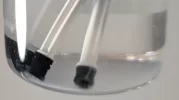

Wonder how many hours before the rubber falls off lol
It's turning my solution cloudy.
Which do you think will last the longest?


R
readalot
Guest
@proton kickin' ass.Thats what I had figured. This topic has really shed light on risks that I have never considered. The long term chronic exposures (weekly, EOD, daily) for years on end could cause serious adverse health effects.
End up with cancer from plastics and contaminants leaching into the oil.
The irony, it wasn’t the grams of tren, it was the plastic……
just some dude
Member
Dude what the hell? Your body's not a trash can ffs.
yeah this is upsetting and i was only pushing the ape test

eery
Member
Dude what the hell? Your body's not a trash can ffs.
speak for yourself :')
just some dude
Member
Off topic, makes me wonder if there are potential leaching risks outside of the manufacturing process and more so with storage. E.G. back loading syringes for later use or even medical settings with storage of vaccines, IV bags etc.
With the use of solvents, would the potential risk for plastic degradation and leaching be a concern for backloading short term storage (5-7 days)? I’ve heard of the plunger degrading over time but I’ve never researched the risk or contamination concentrations.
Ive followed the push for new stoppers due to certain stoppers degrading over time and ensuring vails are stored upright - something I had never considered.
Just trying to curb any further exposures outside of what I already consume in my daily life.
This may have been covered, don’t flame me. I’m new here and still learning!
yes , and also concerns about peptides
Similar threads
- Replies
- 146
- Views
- 10K

- Replies
- 250
- Views
- 16K


- Replies
- 1K
- Views
- 100K


- Replies
- 20
- Views
- 1K


