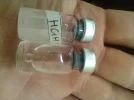
madcap71
Member
ah yeah, fair enough then!A brand new bac water
Completely at room temperature was used
And it was entirely the same afterwards

MESO-Rx
Anabolic Steroids

Follow along with the video below to see how to install our site as a web app on your home screen.
Note: This feature may not be available in some browsers.
ah yeah, fair enough then!A brand new bac water
Completely at room temperature was used
And it was entirely the same afterwards

Thank you for your responses
So if I filter the cloudy HGH
Will it still hold the value of 10ui
Or has that degraded and it’s lower now ?


Thank you for the response and time takenOdds are the amount of aggregated, inactive rHGH, unless it looks like milk, isn’t more than 10%, more likely low single digits. Worst case scenario I’ve seen are scientists using very high heat getting about 30% loss via aggregation. Since most are overdosed I don't think any dose adjustment needs to be made.
As far as “is it ok to inject after filtration?”.
For my risk tolerance yes.
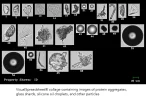
Aggregates need to fall within a certain “looks like bacteria!” size range for the immune system to react and cause immunogenicity.
Thats 0.1 µm to 10 µm.
Aggregates must be at least 100um in size to be visible by the way, so relatively huge. (Those large aggregates cause other issues, but I’m focused on immunogenicity as the biggest threat).
So a .22um filter is removing 99% of the aggregates in the immunogenicity triggering size range. The small amount left is probably on par with the levels found in pharma (or even less, to be honest).
This experiment was conducted by one of the worlds leading experts on peptide pharmaceutical development to demonstrate why even pharma peptides / proteins should be filtered, in part, to avoid immunogenicity causing drugs to become less effective:
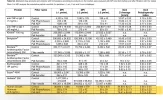
Here’s the result of pharma* rHGH filtered with .22um PES syringe filters, the same type I use.
From 37,000 >1um sized particles / ml down to about 300.
View attachment 357594
This was expired rHGH, and shaken, to simulate worst case scenario of what a patient might be exposed to with poorly stored and handled pens. Pretty sure it’s safe to assume UGL is always “worst case scenario” condition.
So knowing filtering completely neutralizes the aggregate threat, and the cumulative harm from all the other shit found in cheap vials being injected on a daily basis,
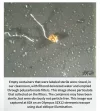
View attachment 357596View attachment 357595
along with guaranteeing sterility since Jano found a high proportion of peptide vials containing bacteria, a shock, I know, when most are likely produced in peptide labs like this one:
View attachment 357597
that doesn’t make UGL peptides risk free, but lowers it enough to make it tolerable for me.
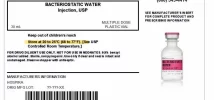
I have kept BAC water in the fridge and never had it cause a vial of serostim to be cloudy. The OP has junk GH plain and simple.Did you not agree with the answer you got on UKM? It's likely because you had your BAC water in the fridge

I didnt even know it wasn't supposed to be in the fridgeI have kept BAC water in the fridge and never had it cause a vial of serostim to be cloudy. The OP has junk GH plain and simple.

I didnt even know it wasn't supposed to be in the fridge
So you pinned cloudy I presume, what happened?i tested a batch of JY that was very cloudy, one of the worst side effects i've ever had

Grew a third testicleSo you pinned cloudy I presume, what happened?
Grew a third testicle
It was on his forehead?No he wanted to know if anything *bad* happened.
So you pinned cloudy I presume, what happened?
Odds are the amount of aggregated, inactive rHGH, unless it looks like milk, isn’t more than 10%, more likely low single digits. Worst case scenario I’ve seen are scientists using very high heat getting about 30% loss via aggregation. Since most are overdosed I don't think any dose adjustment needs to be made.
As far as “is it ok to inject after filtration?”.
For my risk tolerance yes.
Aggregates need to fall within a certain “looks like bacteria!” size range for the immune system to react and cause immunogenicity.
Thats 0.1 µm to 10 µm.
Aggregates must be at least 100um in size to be visible by the way, so relatively huge. (Those large aggregates cause other issues, but I’m focused on immunogenicity as the biggest threat).
So a .22um filter is removing 99% of the aggregates in the immunogenicity triggering size range. The small amount left is probably on par with the levels found in pharma (or even less, to be honest).
This experiment was conducted by one of the worlds leading experts on peptide pharmaceutical development to demonstrate why even pharma peptides / proteins should be filtered, in part, to avoid immunogenicity causing drugs to become less effective:
Here’s the result of pharma* rHGH filtered with .22um PES syringe filters, the same type I use.
From 37,000 >1um sized particles / ml down to about 300.
View attachment 357594
This was expired rHGH, and shaken, to simulate worst case scenario of what a patient might be exposed to with poorly stored and handled pens. Pretty sure it’s safe to assume UGL is always “worst case scenario” condition.
So knowing filtering completely neutralizes the aggregate threat, and the cumulative harm from all the other shit found in cheap vials being injected on a daily basis,
View attachment 357596View attachment 357595
along with guaranteeing sterility since Jano found a high proportion of peptide vials containing bacteria, a shock, I know, when most are likely produced in peptide labs like this one:
View attachment 357597
that doesn’t make UGL peptides risk free, but lowers it enough to make it tolerable for me.

I’m pretty sure I bought all the right stuff to filter, just haven’t tackled it just yet. Any “Peptides filtering for dummies” vids on YT possibly?
A 0.22um filter did turn it clear
View attachment 358473
Odds are the amount of aggregated, inactive rHGH, unless it looks like milk, isn’t more than 10%, more likely low single digits. Worst case scenario I’ve seen are scientists using very high heat getting about 30% loss via aggregation. Since most are overdosed I don't think any dose adjustment needs to be made.
As far as “is it ok to inject after filtration?”.
For my risk tolerance yes.
Aggregates need to fall within a certain “looks like bacteria!” size range for the immune system to react and cause immunogenicity.
Thats 0.1 µm to 10 µm.
Aggregates must be at least 100um in size to be visible by the way, so relatively huge. (Those large aggregates cause other issues, but I’m focused on immunogenicity as the biggest threat).
So a .22um filter is removing 99% of the aggregates in the immunogenicity triggering size range. The small amount left is probably on par with the levels found in pharma (or even less, to be honest).
This experiment was conducted by one of the worlds leading experts on peptide pharmaceutical development to demonstrate why even pharma peptides / proteins should be filtered, in part, to avoid immunogenicity causing drugs to become less effective:
Here’s the result of pharma* rHGH filtered with .22um PES syringe filters, the same type I use.
From 37,000 >1um sized particles / ml down to about 300.
View attachment 357594
This was expired rHGH, and shaken, to simulate worst case scenario of what a patient might be exposed to with poorly stored and handled pens. Pretty sure it’s safe to assume UGL is always “worst case scenario” condition.
So knowing filtering completely neutralizes the aggregate threat, and the cumulative harm from all the other shit found in cheap vials being injected on a daily basis,
View attachment 357596View attachment 357595
along with guaranteeing sterility since Jano found a high proportion of peptide vials containing bacteria, a shock, I know, when most are likely produced in peptide labs like this one:
View attachment 357597
that doesn’t make UGL peptides risk free, but lowers it enough to make it tolerable for me.
Odds are the amount of aggregated, inactive rHGH, unless it looks like milk, isn’t more than 10%, more likely low single digits. Worst case scenario I’ve seen are scientists using very high heat getting about 30% loss via aggregation. Since most are overdosed I don't think any dose adjustment needs to be made.
As far as “is it ok to inject after filtration?”.
For my risk tolerance yes.
Aggregates need to fall within a certain “looks like bacteria!” size range for the immune system to react and cause immunogenicity.
Thats 0.1 µm to 10 µm.
Aggregates must be at least 100um in size to be visible by the way, so relatively huge. (Those large aggregates cause other issues, but I’m focused on immunogenicity as the biggest threat).
So a .22um filter is removing 99% of the aggregates in the immunogenicity triggering size range. The small amount left is probably on par with the levels found in pharma (or even less, to be honest).
This experiment was conducted by one of the worlds leading experts on peptide pharmaceutical development to demonstrate why even pharma peptides / proteins should be filtered, in part, to avoid immunogenicity causing drugs to become less effective:
Here’s the result of pharma* rHGH filtered with .22um PES syringe filters, the same type I use.
From 37,000 >1um sized particles / ml down to about 300.
View attachment 357594
This was expired rHGH, and shaken, to simulate worst case scenario of what a patient might be exposed to with poorly stored and handled pens. Pretty sure it’s safe to assume UGL is always “worst case scenario” condition.
So knowing filtering completely neutralizes the aggregate threat, and the cumulative harm from all the other shit found in cheap vials being injected on a daily basis,
View attachment 357596View attachment 357595
along with guaranteeing sterility since Jano found a high proportion of peptide vials containing bacteria, a shock, I know, when most are likely produced in peptide labs like this one:
View attachment 357597
that doesn’t make UGL peptides risk free, but lowers it enough to make it tolerable for me.
Not to hijack this thread but I've got a similar issue at the moment....one of these vials is 100% jano tested and the cloudy one I've stuck a lable on is from a local guy....@Ghoul
Does the type of 0.22um syringe filter (PES/Nylon/PTFE/PVDF) matter or its justs the same?
ive filtered using the Nylon one and my HGH became clear and was wondering if using nylon ones will reduced the HGH dose that gets passed through?