"FDA Approves Labeling Changes to Menopausal Hormone Therapy Products"

PiscesMoon

Member

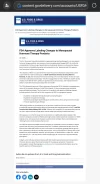
FDA Approves Labeling Changes to Menopausal Hormone Therapy Products​

U.S. Food and Drug Administration sent this bulletin at 02/12/2026 12:07 PM EST


FDAbulletin_HRT_Feb12th2026.webp

"The U.S. Food and Drug Administration has approved drug labeling changes to six menopausal hormone therapy products, also known as hormone replacement therapy (HRT), to clarify risk considerations for these drugs. Specifically, risk statements related to cardiovascular disease, breast cancer and probable dementia were removed from the “boxed warning,” the agency’s most prominent safety-related warning.

“This decision reflects our commitment to follow the science wherever it leads and to correct course when the evidence demands it,” Health and Human Services Secretary Robert F. Kennedy, Jr. said. “By removing these boxed warnings, we ensure that women receive accurate information about hormone therapy—free from exaggeration or fear. A healthcare system worthy of public trust tells the truth, updates its guidance as science evolves, and respects women’s ability to make informed choices about their own health.”

The FDA initiated the removal of these warnings in November 2025, following a comprehensive review of the scientific literature. At the FDA’s request, 29 drug companies have submitted proposed labeling changes. This first batch of six products with approved labeling changes includes products from each of the four categories of HRT for menopausal women:

  • Systemic combination therapy (estrogen and progestogen)​
  • Systemic estrogen-alone therapy​
  • Systemic progestogen-alone therapy for women with a uterus using systemic estrogen​
  • Topical vaginal estrogen therapy​
“With today’s action, we are delivering on our promise to make sure women have accurate, scientifically grounded information about the potentially life-changing benefits of HRT,” said FDA Commissioner Marty Makary, M.D., M.P.H. “Women face symptoms of menopause that can last for years, and our efforts will help these women make well-informed medical decisions.”

Menopause is a normal life stage, but its symptoms can significantly reduce quality of life. Common symptoms include hot flashes and night sweats (called vasomotor symptoms or VMS); vaginal, vulvar, and urinary tract changes caused by lower estrogen levels; and osteoporosis (thinning bones), which increases fracture risk.

The FDA has approved multiple hormone therapies for moderate-to-severe hot flashes, vaginal dryness and discomfort, and preventing bone loss. In addition, randomized studies show that women who initiate HRT within 10 years of the onset of menopause (generally before age 60) have a reduction in all-cause mortality and fractures. Just a small fraction of women who could benefit from these treatments, however, are using them. In 2020, about 41 million U.S. women were ages 45–64 — yet only about 2 million women ages 46–65 received a hormone-therapy prescription.

Today’s action will allow women, working with their health care professionals, to make better-informed decisions about their treatment plan for menopause symptoms. Women are encouraged to consult the drug label, available here*, for more detailed information about the benefits and risks of these products."

* Drug Label Changes:

Menopausal Hormone Therapies with Updated Prescribing Information


(Image below shows the index of updated products.
Note that product links = .pdf files)

FDA_UpdatedRxInfo_Feb12th2026.webp

"Menopausal Hormone Therapies with Updated Prescribing Information​


The prescribing information has been updated on these products.

 
Another related email/bulletin sent out today (February 13th, 2026)


Hormone Replacement Therapies Can Help Women with Bothersome Menopausal Symptoms

HRT_Menopause1_Feb13th2026.webp

HRT_Menopause2_Feb13th2026.webp


"The effects of menopause can make a woman’s daily life much harder, and therapies approved by the U.S. Food and Drug Administration can help. But too many women might not use these treatments to lessen their menopause symptoms because of the risks associated with these drugs described in the drug labels’ boxed warnings (the FDA’s most prominent warnings).

The FDA has requested that drug companies remove risk statements about cardiovascular diseases, breast cancer, and probable dementia from boxed warnings for menopausal hormone therapy (MHT) – also called hormone replacement therapy (HRT). The FDA has requested that companies make changes to update information about the risks of these drugs so women and their health care providers can make the best decisions for their health. Several companies have already made, and FDA has approved, changes to their drug labels, and more companies may make changes.

Menopause and Symptoms​

Menopause is a natural stage in a woman’s life when her menstrual periods permanently stop, marking the end of her reproductive years. This usually happens between ages 45 and 55.

When women go through menopause, their bodies produce less estrogen and progesterone. These lower hormone levels often cause symptoms that can significantly and adversely impact women’s quality of life, including:

  • Hot flashes (“hot flushes”), getting warm in the face, neck, or chest, with and without sweating.
  • Night sweats, which may lead to problems sleeping and feeling tired, stressed, or tense.
  • Vaginal changes, such as vaginal dryness and painful sex.
  • Thinning of bones (osteoporosis), which may lead to loss of height and bone breaks.
Treatments for menopausal symptoms include hormone therapy and non-hormonal therapy. The FDA has approved hormone therapies to help relieve hot flashes, night sweats, vaginal dryness, or dyspareunia (pain with sexual activity) – and that may reduce chances of getting osteoporosis. For women who cannot or choose not to take hormone treatments, the FDA has also approved three nonhormone therapies.

Types of Hormone Replacement Therapy​

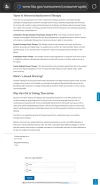
There are four primary types of hormone replacement therapy: systemic combination therapy (estrogen and progestogen), systemic estrogen-alone therapy, systemic progestogen-alone therapy for women with a uterus using systemic estrogen-alone therapy, and topical vaginal estrogen therapy. Your health care provider can help you decide the best treatment based on your individual symptoms, medical history, and preferences.

Combination Therapy (Estrogen Progestogen Therapy or EPT): This therapy combines doses of estrogen and progestin (hormones that act like progesterone) or progesterone and is used in women with a uterus. Combination therapy most commonly comes in pills or skin patches.

Systemic Estrogen-Alone Therapy: This therapy contains only estrogen and comes in pills, skin patches, spray, gel, and vaginal ring. It is usually used in women who have had their uterus removed (hysterectomy). It can also be used in women with a uterus if progesterone-alone therapy is also added.

Progestogen-Alone Therapy: This therapy contains only progesterone or progestin and comes in pills. It is added to systemic estrogen-alone therapy in women with a uterus to protect against cancer of the uterus.

Topical Vaginal Estrogen Therapy: This therapy involves using estrogen applied topically to the vaginal area to treat vaginal symptoms. Forms of topical estrogen therapy include vaginal cream, tablet, insert, and ring.

What’s a Boxed Warning?​

A boxed warning is the most prominent safety warning for FDA-approved prescription drugs. A boxed warning can be used to inform health care providers and patients about potentially serious or life-threatening risks essential to consider when patients and their health care providers assess a drug’s risks and benefits.

Why the FDA Is Taking This Action​

Based on the FDA’s analysis, the agency has requested drug sponsors of all HRT products that contain estrogen or progestogen and in all dose forms to remove language about the risk of cardiovascular disease, breast cancer, and probable dementia from the boxed warning, as well as make other safety-related labeling changes. FDA has not requested that drug sponsors remove the risks of cardiovascular disease and breast cancer from the Warnings and Precautions section of the labeling.

The FDA is not requesting removal of the boxed warning for endometrial cancer for systemic estrogen-alone products.

Millions of women have avoided hormone replacement therapy since the early 2000s because of fears about cancer and heart disease risks. The FDA is asking for these labeling changes so women and their doctors have access to updated information on the benefits and risks of these medications so they can make informed decisions.
  • Content current as of:​

    02/13/2026"
 

Sponsors

Latest posts

Back
Top