Supplement alternatives/replacements

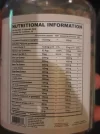
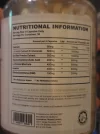
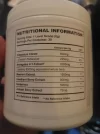
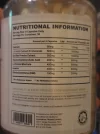
My go to supplements for heart, liver and kidney health are unavailable at the moment due to the end of de minimis causing the UK company I order from to halt all shipments to the United States. I also imagine a considerable increase in expense once shipments do resume, unfortunately. I'm looking for a good all in one supplement for each organ; heart, liver and kidneys. I'll post the ingredients of what I'm currently taking. I'm hoping similar products are available from companies in the United States.

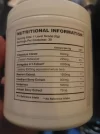
Heart;

20250529_140451.webp

Liver;
20250529_140432.webp

Kidneys;
20250529_140407.webp
 

Attachments

  • 20250529_140432.webp
    20250529_140432.webp
    488.3 KB · Views: 15
  • 20250529_140407.webp
    20250529_140407.webp
    1.4 MB · Views: 28
Pretty close:


Some codes, don't know if any are active :

IGEST – 20% discount on your purchase.
RISTY – 15% off your order. 
EVIVE – 10% off your purchase. 
JOESAM – 20% off store-wide. 
 
Last edited:
Anyone tried pure tudca powder?

I did

Nasty as heck

500 mg in minimal water
I know the liver pills smell disgusting, kind of like horse or cow manure, but assumed it was due to the ox bile powder. Maybe the TUDCA is part of that stink as well lol

Pretty close:


Some codes, don't know if any are active :

IGEST – 20% discount on your purchase.
RISTY – 15% off your order. 
EVIVE – 10% off your purchase. 
JOESAM – 20% off store-wide. 
Thank you, I appreciate the link and codes. These were ones I found doing my own searching. I'm probably going to have to settle for them. They're not bad, just a bit under dosed here and there (Astragalus, especially) , and missing a few ingredients I'd prefer were in a few of them. I'll do some math on the cost of these, plus adding what I feel I should, compared to importing the stuff from Supplement Needs. The exchange rate was already a price penalty, now just need to figure out the tarrifs.
 
Last edited:
Thank you, I appreciate the link and codes. These were ones I found doing my own searching. I'm probably going to have to settle for them. They're not bad, just a bit under dosed here and there (Astragalus, especially) , and missing a few ingredients I'd prefer were in a few of them. I'll do some math on the cost of these, plus adding what I feel I should, compared to importing the stuff from Supplement Needs. The exchange rate was already a price penalty, now just need to figure out the tarrifs.

For astragalus, look for Astragin (a branded ingredient, like in the one Ghoul linked) or one standardized for astragaloside IV like Nootropics Depot has
 
I know the liver pills smell disgusting, kind of like horse or cow manure, but assumed it was due to the ox bile powder. Maybe the TUDCA is part of that stink as well lol


Thank you, I appreciate the link and codes. These were ones I found doing my own searching. I'm probably going to have to settle for them. They're not bad, just a bit under dosed here and there (Astragalus, especially) , and missing a few ingredients I'd prefer were in a few of them. I'll do some math on the cost of these, plus adding what I feel I should, compared to importing the stuff from Supplement Needs. The exchange rate was already a price penalty, now just need to figure out the tarrifs.
There's no smell

The taste is similar to washing detergent
 
Has anyone found a supplement where tudca and nac are roughly equally dosed

Trying to minimize my pill drawer. I take between 1-1.2g of each depending on the bottle's serving size but can’t seem to find a supplement where both are dosed close enough. Always one half the dose of the other
 
For astragalus, look for Astragin (a branded ingredient, like in the one Ghoul linked) or one standardized for astragaloside IV like Nootropics Depot has
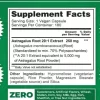
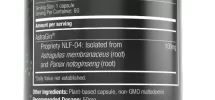
So if I'm looking for kidney support on high tren doses, this astralagus wouldn't be that useful or even this AstraGin (photos attached) compared to the Astragaloside IV Capsules.

Based on a quick chat gpt query:
  • Astragaloside IV✅ Strong, targeted protection.
  • Astragin®⚠️ Mostly for absorption, not kidney.
  • Polysaccharide Astragalus❌ Minimal relevance for kidneys.

Thank god I stumbled onto this thread. But could you confirm if that's actually true and the Astragaloside IV is just so much more superior even at 50mg.
 

Attachments

  • 1758856180876.webp
    1758856180876.webp
    25.4 KB · Views: 24
  • 1758856356359.webp
    1758856356359.webp
    29.8 KB · Views: 33
So if I'm looking for kidney support on high tren doses, this astralagus wouldn't be that useful or even this AstraGin (photos attached) compared to the Astragaloside IV Capsules.

Based on a quick chat gpt query:
  • Astragaloside IV✅ Strong, targeted protection.
  • Astragin®⚠️ Mostly for absorption, not kidney.
  • Polysaccharide Astragalus❌ Minimal relevance for kidneys.

Thank god I stumbled onto this thread. But could you confirm if that's actually true and the Astragaloside IV is just so much more superior even at 50mg.

Seems like you're asking the right questions

I haven't emailed Nootropics Depot to request confirmation of the quality of their astragaloside IV, but that's what the next step would be

Good call
 
Seems like you're asking the right questions

I haven't emailed Nootropics Depot to request confirmation of the quality of their astragaloside IV, but that's what the next step would be

Good call
Just did, I'll update y'all.

From my research on them:

Nootropics Depot is considered the gold standard among biohackers, researchers, and serious supplement users for getting exactly what the label says. As they consistently publish third-party COAs with HPLC/UPLC verification for purity and standardization.
Their stuff is batch-tested, and the community consensus is that their dosing is accurate (unlike 90% of Amazon/AliExpress “Astragalus” bottles).

I sent them an email requesting a COA on their most recent batch.
 
Last edited:
Just did, I'll update y'all.

From my research on them:

Nootropics Depot is considered the gold standard among biohackers, researchers, and serious supplement users for getting exactly what the label says. As they consistently publish third-party COAs with HPLC/UPLC verification for purity and standardization.
Their stuff is batch-tested, and the community consensus is that their dosing is accurate (unlike 90% of Amazon/AliExpress “Astragalus” bottles).

I sent them an email requesting a COA on their most recent batch.
I also found these COA's.
Actually seem very legit. I mostly have Nutricost/Now foods/Bulk supp supplements (which are supposed to be legit too)
 

Attachments

I have to my recent my “first impressions” statement.

Upon researching my ass off here’s what I concluded:


Polysaccharide Astragalus (APS, my current brand): This is the only form with real human clinical trials showing it slows kidney decline (better eGFR, lower creatinine, less protein in urine). It’s the one that doctors in China actually use for CKD.
I also have had success with it.

Astragaloside IV: A single compound from astragalus that looks good in animal studies, but hardly absorbs when taken orally and has no proven human kidney benefit.

AstraGin: A blend marketed for gut absorption of nutrients, not kidney health — no evidence for renal protection.

To further explain in detail to my statement about Astragalosids IV:

Oral AS-IV shows extremely low plasma levels compared to intravenous dosing.

Main reasons:
- Poor intestinal absorption – it’s a large, lipophilic saponin glycoside.

- First-pass metabolism – it’s rapidly metabolized in the gut and liver.

- Efflux pumps – P-glycoprotein in the intestine actively pumps it back into the gut lumen, reducing net absorption.

- Rat and dog PK studies: Oral AS-IV bioavailability is typically <3% (sometimes even <2%).

- Human data: Sparse, but small pharmacokinetic reports confirm very low detectable plasma levels after oral administration compared to the doses given.

- That’s why most experimental/clinical uses in China involve injectable Astragaloside IV, not capsules.

In conclusion:

- A 50 mg capsule: you’re absorbing maybe 1–2 mg systemically, and possibly less.

- In contrast, the effective kidney-protective trials used whole Astragalus extracts (APS) that deliver hundreds of mg of polysaccharides, which are water-soluble and absorbed much more reliably.


My reference study for the Astragaloside IV claim for bioavailability:

The human data I found:

- first study: Li et al., 2017 (China, oral AS-IV in healthy volunteers):

- Tmax (time to peak) was delayed (2–4 h), and Cmax (peak concentration) was <5 ng/mL even at 60 mg.

- Authors concluded oral AS-IV exposure is poor and inconsistent, largely due to intestinal P-gp efflux and first-pass metabolism.

- Second study: Wang et al., 2018 (China, oral AS-IV with absorption enhancer):

Showed that co-administration with a P-gp inhibitor increased AS-IV plasma levels 2–3x.

This highlights that absorption is normally very low without pharmacological assistance.

This the studies both reach an agreed concluded:

Oral AS-IV does reach the blood in humans, but at very low levels — much lower than those used in the animal nephroprotection studies.

Effective exposures in animals would require hundreds of milligrams orally in humans, far beyond typical 50 mg capsule doses.


Sorry for the long message. Hope it helps. :)
 
I have to my recent my “first impressions” statement.

Upon researching my ass off here’s what I concluded:


Polysaccharide Astragalus (APS, my current brand): This is the only form with real human clinical trials showing it slows kidney decline (better eGFR, lower creatinine, less protein in urine). It’s the one that doctors in China actually use for CKD.
I also have had success with it.

Astragaloside IV: A single compound from astragalus that looks good in animal studies, but hardly absorbs when taken orally and has no proven human kidney benefit.

AstraGin: A blend marketed for gut absorption of nutrients, not kidney health — no evidence for renal protection.

To further explain in detail to my statement about Astragalosids IV:

Oral AS-IV shows extremely low plasma levels compared to intravenous dosing.

Main reasons:
- Poor intestinal absorption – it’s a large, lipophilic saponin glycoside.

- First-pass metabolism – it’s rapidly metabolized in the gut and liver.

- Efflux pumps – P-glycoprotein in the intestine actively pumps it back into the gut lumen, reducing net absorption.

- Rat and dog PK studies: Oral AS-IV bioavailability is typically <3% (sometimes even <2%).

- Human data: Sparse, but small pharmacokinetic reports confirm very low detectable plasma levels after oral administration compared to the doses given.

- That’s why most experimental/clinical uses in China involve injectable Astragaloside IV, not capsules.

In conclusion:

- A 50 mg capsule: you’re absorbing maybe 1–2 mg systemically, and possibly less.

- In contrast, the effective kidney-protective trials used whole Astragalus extracts (APS) that deliver hundreds of mg of polysaccharides, which are water-soluble and absorbed much more reliably.


My reference study for the Astragaloside IV claim for bioavailability:

The human data I found:

- first study: Li et al., 2017 (China, oral AS-IV in healthy volunteers):

- Tmax (time to peak) was delayed (2–4 h), and Cmax (peak concentration) was <5 ng/mL even at 60 mg.

- Authors concluded oral AS-IV exposure is poor and inconsistent, largely due to intestinal P-gp efflux and first-pass metabolism.

- Second study: Wang et al., 2018 (China, oral AS-IV with absorption enhancer):

Showed that co-administration with a P-gp inhibitor increased AS-IV plasma levels 2–3x.

This highlights that absorption is normally very low without pharmacological assistance.

This the studies both reach an agreed concluded:

Oral AS-IV does reach the blood in humans, but at very low levels — much lower than those used in the animal nephroprotection studies.

Effective exposures in animals would require hundreds of milligrams orally in humans, far beyond typical 50 mg capsule doses.


Sorry for the long message. Hope it helps. :)
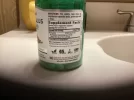
so in layman terms what brand Astagulus is acceptable for kidneys? Heres what ive been taking and honestly, meh idk im just using it up and wonder if i want to keep throwing money at these supplements , I appreciate your research
 

Attachments

  • image.webp
    image.webp
    942.8 KB · Views: 31
Dante Trudel (Doggcrapp) always recommends vitamin shoppe brand astragalus. He has personally seen multiple sets of bloodwork before and after taking 4g+ per day of it and the improvements in bloodwork.
 
I have to my recent my “first impressions” statement.

Upon researching my ass off here’s what I concluded:


Polysaccharide Astragalus (APS, my current brand): This is the only form with real human clinical trials showing it slows kidney decline (better eGFR, lower creatinine, less protein in urine). It’s the one that doctors in China actually use for CKD.
I also have had success with it.

Astragaloside IV: A single compound from astragalus that looks good in animal studies, but hardly absorbs when taken orally and has no proven human kidney benefit.

AstraGin: A blend marketed for gut absorption of nutrients, not kidney health — no evidence for renal protection.

To further explain in detail to my statement about Astragalosids IV:

Oral AS-IV shows extremely low plasma levels compared to intravenous dosing.

Main reasons:
- Poor intestinal absorption – it’s a large, lipophilic saponin glycoside.

- First-pass metabolism – it’s rapidly metabolized in the gut and liver.

- Efflux pumps – P-glycoprotein in the intestine actively pumps it back into the gut lumen, reducing net absorption.

- Rat and dog PK studies: Oral AS-IV bioavailability is typically <3% (sometimes even <2%).

- Human data: Sparse, but small pharmacokinetic reports confirm very low detectable plasma levels after oral administration compared to the doses given.

- That’s why most experimental/clinical uses in China involve injectable Astragaloside IV, not capsules.

In conclusion:

- A 50 mg capsule: you’re absorbing maybe 1–2 mg systemically, and possibly less.

- In contrast, the effective kidney-protective trials used whole Astragalus extracts (APS) that deliver hundreds of mg of polysaccharides, which are water-soluble and absorbed much more reliably.


My reference study for the Astragaloside IV claim for bioavailability:

The human data I found:

- first study: Li et al., 2017 (China, oral AS-IV in healthy volunteers):

- Tmax (time to peak) was delayed (2–4 h), and Cmax (peak concentration) was <5 ng/mL even at 60 mg.

- Authors concluded oral AS-IV exposure is poor and inconsistent, largely due to intestinal P-gp efflux and first-pass metabolism.

- Second study: Wang et al., 2018 (China, oral AS-IV with absorption enhancer):

Showed that co-administration with a P-gp inhibitor increased AS-IV plasma levels 2–3x.

This highlights that absorption is normally very low without pharmacological assistance.

This the studies both reach an agreed concluded:

Oral AS-IV does reach the blood in humans, but at very low levels — much lower than those used in the animal nephroprotection studies.

Effective exposures in animals would require hundreds of milligrams orally in humans, far beyond typical 50 mg capsule doses.


Sorry for the long message. Hope it helps. :)

Right now, based off the green label you uploaded, you are taking a 20:1 250mg extract, which is the same as 5g of whole root?

Im assuming the most cost effective way would be to just get the whole root powder?
 
so in layman terms what brand Astagulus is acceptable for kidneys? Heres what ive been taking and honestly, meh idk im just using it up and wonder if i want to keep throwing money at these supplements , I appreciate your research

Clinical CKD/diabetic nephropathy trials used 10–15 g raw root/day.

Best choice for kidneys: A product standardized to polysaccharides (APS) at a dose giving you ~10 g raw equivalent/day.

What does this mean:

The one I had:

2 servings = 10 g raw root equivalent, ~350 mg polysaccharides thus right in the range used in human kidney trials

The one you had:

Per serving (3 caps): 450 mg of 10:1 extract → ≈ 4.5 g raw root equivalent.

Not standardized to polysaccharides (just “whole extract”), so less precise.

To match trial dosing, you’d need 2 servings/day (≈9 g raw equivalent).

Final thoughts:

Dose-wise: 2 servings of your green bottle = clinical range.

Quality-wise: Zazzee is the safer bet because it guarantees polysaccharide content, while your green bottle may or may not match.

Right now, based off the green label you uploaded, you are taking a 20:1 250mg extract, which is the same as 5g of whole root?

Im assuming the most cost effective way would be to just get the whole root powder?

Foe the Whole Astragalus Root Powder

It’s literally ground raw root, usually taken by the teaspoon.

1 teaspoon (~3 g powder) = 3 g raw root equivalent (since it is raw root).

To hit the clinical trial range (10–15 g/day) → you’d need about 3–5 teaspoons daily.

Is it better or worse:

Pros:
Cheapest way to get grams in bulk.

Matches the doses used in traditional decoctions and Chinese RCTs.

Simple: you know you’re getting “whole plant.”

Cons:

Not standardized → polysaccharide content can vary wildly (5–20%).

Bulk dosing is inconvenient (multiple teaspoons daily).

Taste can also he issue.

Comparison between all 3:

Zazzee (20:1 standardized to 70% polysaccharides):

2 caps/day ≈ 10 g raw equivalent with guaranteed ~350 mg polysaccharides.

Convenient, clinical precision.

Green bottle (10:1, not standardized):

2 servings/day (6 caps) ≈ 9 g raw equivalent, but polysaccharide content not guaranteed.

Powder (raw):
  • 10 g/day = ~3–4 teaspoons.
  • Most cost effective, but least controlled for
TLDR;

If cost is the priority the. powder works, just less consistent.

If you want clinical reliability (same as in studies) → Zazzee 2 caps/day is the best.

Your green bottle can work if doubled, but it’s less standardized than Zazzee.

Side bar:

Why tf am I talking about the polysaccharides? Is it rly that important?

Astragalus root contains many compounds (saponins, flavonoids, polysaccharides).

Kidney clinical trials (CKD, diabetic nephropathy, dialysis patients) used extracts standardized to Astragalus polysaccharides (APS).

Outcomes (slower eGFR decline, lower creatinine, less proteinuria) are linked directly to APS content.

So practically:

If your astragalus product doesn’t list standardized polysaccharides, you don’t really know how much of the “active” kidney-protective fraction you’re getting.

Zazzee 20:1 extract (70% polysaccharides) is closer to what was actually studied.

Raw root powder or generic 10:1 extracts like the green bottle do contain polysaccharides, but in unpredictable amounts. You might get enough, or you might not.

 
Clinical CKD/diabetic nephropathy trials used 10–15 g raw root/day.

Best choice for kidneys: A product standardized to polysaccharides (APS) at a dose giving you ~10 g raw equivalent/day.

What does this mean:

The one I had:

2 servings = 10 g raw root equivalent, ~350 mg polysaccharides thus right in the range used in human kidney trials

The one you had:

Per serving (3 caps): 450 mg of 10:1 extract → ≈ 4.5 g raw root equivalent.

Not standardized to polysaccharides (just “whole extract”), so less precise.

To match trial dosing, you’d need 2 servings/day (≈9 g raw equivalent).

Final thoughts:

Dose-wise: 2 servings of your green bottle = clinical range.

Quality-wise: Zazzee is the safer bet because it guarantees polysaccharide content, while your green bottle may or may not match.


Foe the Whole Astragalus Root Powder

It’s literally ground raw root, usually taken by the teaspoon.

1 teaspoon (~3 g powder) = 3 g raw root equivalent (since it is raw root).

To hit the clinical trial range (10–15 g/day) → you’d need about 3–5 teaspoons daily.

Is it better or worse:

Pros:
Cheapest way to get grams in bulk.

Matches the doses used in traditional decoctions and Chinese RCTs.

Simple: you know you’re getting “whole plant.”

Cons:

Not standardized → polysaccharide content can vary wildly (5–20%).

Bulk dosing is inconvenient (multiple teaspoons daily).

Taste can also he issue.

Comparison between all 3:

Zazzee (20:1 standardized to 70% polysaccharides):

2 caps/day ≈ 10 g raw equivalent with guaranteed ~350 mg polysaccharides.

Convenient, clinical precision.

Green bottle (10:1, not standardized):

2 servings/day (6 caps) ≈ 9 g raw equivalent, but polysaccharide content not guaranteed.

Powder (raw):
  • 10 g/day = ~3–4 teaspoons.
  • Most cost effective, but least controlled for
TLDR;

If cost is the priority the. powder works, just less consistent.

If you want clinical reliability (same as in studies) → Zazzee 2 caps/day is the best.

Your green bottle can work if doubled, but it’s less standardized than Zazzee.

Side bar:

Why tf am I talking about the polysaccharides? Is it rly that important?

Astragalus root contains many compounds (saponins, flavonoids, polysaccharides).

Kidney clinical trials (CKD, diabetic nephropathy, dialysis patients) used extracts standardized to Astragalus polysaccharides (APS).

Outcomes (slower eGFR decline, lower creatinine, less proteinuria) are linked directly to APS content.

So practically:

If your astragalus product doesn’t list standardized polysaccharides, you don’t really know how much of the “active” kidney-protective fraction you’re getting.

Zazzee 20:1 extract (70% polysaccharides) is closer to what was actually studied.

Raw root powder or generic 10:1 extracts like the green bottle do contain polysaccharides, but in unpredictable amounts. You might get enough, or you might not.

Again I did too much research to the point I actually can’t stop typing. Apologies for the long answers
 
How about this?
polysaccharides right?

Can you link the caps you're taking?

Edit:found it
So 90 servings(2pills a day) for 20 bucks.

The mushroom extract gives 3 pills worth, 100d, 9 bucks?
 
Last edited:
How about this?
polysaccharides right?

Can you link the caps you're taking?

Edit:found it
So 90 servings(2pills a day) for 20 bucks.

The mushroom extract gives 3 pills worth, 100d, 9 bucks?
The PureBulk Shiitake Mushroom Extract you linked is indeed standardized to ≥50% polysaccharides .

That means:

Each 1,000 mg serving = ~500 mg polysaccharides.

It’s a mushroom extract (Shiitake, not Astragalus), so the polysaccharides here are beta-glucans which is good for immune and antioxidant support, but not the same APS (Astragalus polysaccharides) that have kidney clinical data.

So it’s rich in polysaccharides, but it’s not the astragalus polysaccharides used for renal protection. It’s a different compound category with immune benefits.

Side-by-side with mine:

Both are “polysaccharides,” but different types:

- Astragalus polysaccharides (APS) = kidney RCT evidence.

- Mushroom beta-glucans = immune/liver support, no kidney trials.

- Zazzee = kidney-specific protection (evidence matches your goal).

- Shiitake = immune/liver support, not renal-focused.
 
Back
Top