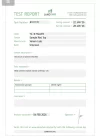
US FDA and USP Potency Standards.
FDA-approved medications generally must contain active ingredients within +/- 10% of the labeled amount. For compounded preparations, the typical acceptable range is also +/- 10%, with a maximum, in some cases, of up to +/- 20%.
Based on United States Pharmacopeia (USP) standards, which guide pharmacy compounding practices, the information provided is generally accurate. [1, 2, 3]
Compounded Preparations (USP 795 & 797)
• Typical Range: The standard acceptable variability in potency for most compounded nonsterile (USP 795) and sterile (USP 797) preparations is +/- 10% of the labeled strength.
• Maximum Range: Depending on the stability of the ingredient, the specific dosage form, or if the ingredient is complex (such as some proteins), the acceptable range can extend up to +/- 20%.
• Other Ranges: For certain raw powders, potency requirements may be as tight as +/- 2%, while for others it may differ. [5, 6]
FDA-Approved Medications
• General Standards: FDA-approved manufactured drugs must adhere to strict stability and potency standards, typically requiring active ingredients to be within 90%–110% (+/- 10%) of the labeled amount, though some specific drug monographs may differ. [7, 8, 9, 10, 11]
Key Differences
• Compounded Drugs: Are not FDA-approved, meaning the FDA does not evaluate their safety, effectiveness, or quality before they are marketed, although they must be made using specific USP guidelines.
• Acceptable Variability: Because they are made one at a time to individual prescriptions, compounded drugs often have a slightly wider permitted variance (sometimes up to +/- 20%) compared to the strict, consistent manufacturing requirements of FDA-approved drugs. [6, 12, 13, 14, 15]
[1]
Understanding Compounding Pharmacies: Requirements and Services
[2]
What Is Liquid Medicine From Compounding Pharmacies? - Burt's
[3]
Understanding Reference and Working Standards in Pharmaceuticals | farnamshime tajhiz posted on the topic | LinkedIn
[4]
ARL Bio Pharma | Labeling Compounded Preparations
[5]
THE PCCA BLOG | Notable Changes in the New USP <795>
[6]
https://www.arlok.com/sites/default...797 for Compounded Sterile Preparations_0.pdf
[7]
https://www.pharmacy.texas.gov/files_pdf/BN/Nov21/D.1.3.pdf
[8]
The Scientist’s Guide to Understanding FDA Drug Approval
[9]
Compounded Bioidentical Hormone Preparations - The Clinical Utility of Compounded Bioidentical Hormone Therapy - NCBI Bookshelf
[10]
Compounding Pharmacies: The Top 5 Questions | Sona Pharmacy + Clinic
[11]
Study: Expiration dates have nothing to do with shelf life of drugs
[12]
Human Drug Compounding Laws
[13]
What Ingredients Can Be Used in Compounded Drugs?
[14]
https://www.goodrx.com/drugs/medication-basics/compound-medications
[15]
Comparison of three automated compounding devices for parenteral nutrition according to four key technical tests - PMC
The United States Pharmacopeia (USP) establishes that the generally accepted potency range for most compounded and manufactured drug preparations is +/- 10% of the labeled amount, though this can vary from +/- 5% to +/- 20% depending on the specific monograph. These standards, often cited in FDA guidance and 21 CFR 211.192, ensure drug quality, purity, and potency. [1, 2, 3]
Key details regarding USP/FDA potency requirements:
• Standard Range: The common, accepted potency range is 90% –110% (+/- 10%) of the label claim.
• Variations: Potency requirements may be stricter (+/- 5% for potent analgesics) or wider (+/- 20% for some proteins) based on specific USP monographs.
• Regulatory Context: FDA 21 CFR 211.192 requires investigation of any batch that fails to meet these established specifications.
• Compounding: USP 795 & USP 797 standards for compounded preparations frequently reference the +/- 10% tolerance. [1, 2, 4, 5, 6]
[1]
21 CFR 211.192 Production Record Review - Performance Validation
[2]
ARL Bio Pharma | Potency Testing Benefits and Requirements
[3]
https://qualitymatters.usp.org/what-letters-usp-mean-label-your-medicine
[4]
Strength Conversion in Drug Listing
[5]
Compounding with Commercial Drugs Can Cause Errors | Pharmacy Times
[6]
https://www.usp.org/sites/default/f...stability-testing-compounded-preparations.pdf
(NOTE: these are AI search and inquiry results, not my original work).