Cobra, Scorpion, Spider Venom and other Illicit Horse Performance Enhancers Seized by Cincinnati CBP
Release Date
Wed, 05/01/2024
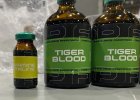
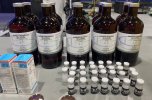
CINCINNATI–Since January 1, 2024, U.S. Customs and Border Protection (CBP) officers at the Port of Cincinnati have seized eight shipments containing equine performance enhancing drugs. The packages arrived from Mexico and were destined to multiple individuals throughout the U.S., some with nexus to racing or other horse performance venues.
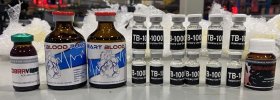
CBP worked with U.S. Fish and Wildlife Service (FWS) to locate the eight shipments, which included injectables labelled as cobra venom, Spidermorph, Scorpioadrenalin, unapproved medications such as
TB-1000, caffeine, anabolic steroids, unknown vitamin compounds, Ritalin, and ketamine.
“Kentucky is known as the horse capital of the world,” said Cincinnati Port Director Alrick Brooks, “and the equine industry is a prominent part of the U.S. agricultural economy. CBP is committed to protecting this industry and the animals within it by preventing illicit substances such as these—designed to mask pain or artificially enhance an animal’s legitimate physical capabilities—from coming into the country.”
Some of the medications were made using protected animal species, leading to wildlife trafficking and conservation concerns. “The FWS inspectors at the Port of Cincinnati, in partnership with CBP, continue to produce excellent results in impacting the illegal wildlife trade,” said Louisville Supervisory Wildlife Inspector Denise Larison. “Wildlife trafficking remains a significant threat to thousands of animal and plant species around globe. Thanks to this great partnership, we were once again able to prevent the unlawful import of protected species and disrupt the illegal market for these valuable animals.”
CBP seized the shipments at the request of the U.S. Food and Drug Administration (FDA) given the medications were not in compliance with the Federal Food, Drug, and Cosmetic Act, and were in violation of multiple FDA regulations.
“The FDA is always concerned about the illegal importation of injectable, unapproved medications which may pose a significant risk to public health, and can include drugs for animals.” said Assistant Commissioner for Import Operations Dan Solis. “This shows working collaboratively with CBP and other federal partners helps prevent potentially dangerous medical products from entering the U.S.”
The abuse of snake venom and other performance enhancers within the equine industry has been the subject of previous federal investigations and indictments leading to sentences from the U.S. Attorney’s Office.
“CBP is entrusted with enforcing hundreds of laws for more than 40 other government agencies,” said Chicago Director of Field Operations LaFonda D. Sutton-Burke. “We are delighted to work with our counterparts within the FDA and FWS to ensure these illicit and dangerous drugs can no longer be used for nefarious purposes.”
CBP conducts operations at ports of entry and export throughout the United States, and regularly screens inbound and outbound international passengers and cargo for narcotics, weapons, and other restricted or prohibited products. CBP strives to serve as the premier law enforcement agency enhancing the nation’s safety, security, and prosperity through collaboration, innovation, and integration.
Source:
Cobra, Scorpion, Spider Venom and other Illicit Horse Performance Enhancers Seized by Cincinnati CBP