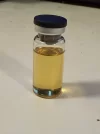
Oxidation is essentially the process of burning. A reactive form of oxygen contacts something and oxidizes, “burns” it.
I used to think oxidation wasn’t a good sign, but since the reaction already occurred (ie, something already reacted with an oxidant and was therefore “oxidized”) there wasn’t much risk.
That was incorrect.
I’ll describe ONE process injecting oxidized liquid triggers, called a “cascade”. There are many more than this.
Oxidation creates byproducts called peroxides. In oils, these are created in very high levels, and what we associate with “rancid” oils.
The body fights infections with inflammation, essentially “oxidizing” cells to destroy them.
Unfortunately this destroys “off target” good tissue as well.
When you inject peroxides, the liver interprets their presence as a sign you’re fighting some major infection somewhere. In response, it creates large amounts of what are basically, molecular factories that produce reactive oxygen. Reactive oxygen oxidizes / burns / damages on contact.
Much of this ends up in your circulatory system, and fries the endothelium (the non stick layer of your arteries). The damaged endothelium allows cholesterol to easily pass through into your arterial walls. Once there, it’ll eventually reach a concentration where it “crystallizes” like high concentration sugar in hot water as it cools.
Those crystals slice up the tissue of your arterial walls, making them even more susceptible to cholesterol entering, and the micro injuries trigger another inflammatory reaction…… and on and on this inflammatory cascade goes, which is why everyone has a “baseline” level of inflammation, and the higher it is, the more roaming oxidants are in your body, randomly destroying cells, prematurely aging everything from your brain to your face.