They've had years to prepare. There are multiple software packages that automate all of this. Every part of the supply chain in China has these codes in place to accommodate this process.
The key here is the requirement that the seller / sender be accurately identified.
It's like the "know your customer" requirement for financial institutions, putting them on the hook if a criminal organization used them to launder money, for instance. This give the banks strong incentive
to comply.
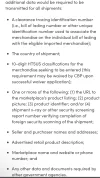
When data is transmitted to the CBP, the packs from unfamiliar senders, without an established history will be flagged for inspection. That's why companies in China got on waiting lists to join the CBP pilot program that allowed them to provide this information for the last few years. To establish themselves as legit merchants in the eyes of the CBP.
Temu, Schein and the rest of the volunteers won't be having their packs pulled on a regular basis, speeding delivery and leaving business more or less as it was, with the exception of the tariff being charged by an automated process.
Section 321 Data Pilot Entry Requirements | Section 321 Data Pilot Customs Entry | Learn more about Section 321 customs clearance |

customscity.com