
MESO-Rx
Anabolic Steroids

Navigation
Install the app
How to install the app on iOS
Follow along with the video below to see how to install our site as a web app on your home screen.
Note: This feature may not be available in some browsers.
More options
Style variation
Guest viewing limit reached
- You have reached the maximum number of guest views allowed
- Please register below to remove this limitation
- Already a member? Click here to login
You are using an out of date browser. It may not display this or other websites correctly.
You should upgrade or use an alternative browser.
You should upgrade or use an alternative browser.
Giant Semaglutide Thread (and other GLP-1 / GIP agonists)
- Thread starter Doodle
- Start date

Not sure how I feel about Reta yet. I did the first 3 weeks at 2mg and started 4mg in week 4. Appetite is good, maybe a little too good, but I’ve noticed my mood feels better and I’ve got a bit more energy. With Tirz I always felt it immediately, the post-injection fatigue and food feeling like a chore. Reta doesn’t hit me like that at all.
Maybe I just haven’t found my ideal dose yet, but I’m not in a rush to push it higher.
Maybe I just haven’t found my ideal dose yet, but I’m not in a rush to push it higher.

the_pope
Member
I'm currently on my winter bulk, and I was thinking about ordering a GLP-1 GIP agonist for the spring cut afterwards. I've always cut natty or with over the counter products (yohimbine, etc) because it's not like I can't.
But I'm curious to try either tirz or reta to make the cut easier/faster and for the possible health benefits from insulin resistance control and possibly some liver benefits from reta.
Haven't decided which one to take yet, I have discarded sema, but tirz and reta both have their pros and cons (on paper this is, it is my first time). I might just go with tirz since it's cheaper tho.
Also, if someone has any tips to make preserving muscle easier while taking tirz/reta, I'm all ears. All I've read is taking test which I will do, and GH which I won't because I dislike the look it gives me. Any suggestion appreciated.
But I'm curious to try either tirz or reta to make the cut easier/faster and for the possible health benefits from insulin resistance control and possibly some liver benefits from reta.
Haven't decided which one to take yet, I have discarded sema, but tirz and reta both have their pros and cons (on paper this is, it is my first time). I might just go with tirz since it's cheaper tho.
Also, if someone has any tips to make preserving muscle easier while taking tirz/reta, I'm all ears. All I've read is taking test which I will do, and GH which I won't because I dislike the look it gives me. Any suggestion appreciated.

heavydutygorilla
Member
I would recommend reta over tirz for the overall health benefits it can help with. Tirz really shines over reta in terms of appetite suppression which it doesn't sound like you have any issues with. I personally have been using reta/trt(160mg)/gh(2iu) since August and am down from 255 to 216. I am going to get bloods done here later this month and I will be able to report back with the differences pre/post reta use. I will say, this cut/recomp has been absolutely the easiest I've ever done and that's because of the reta. I can still eat, but I don't get the cravings or hunger like I normally experience when cutting which is a game changer!I'm currently on my winter bulk, and I was thinking about ordering a GLP-1 GIP agonist for the spring cut afterwards. I've always cut natty or with over the counter products (yohimbine, etc) because it's not like I can't.
But I'm curious to try either tirz or reta to make the cut easier/faster and for the possible health benefits from insulin resistance control and possibly some liver benefits from reta.
Haven't decided which one to take yet, I have discarded sema, but tirz and reta both have their pros and cons (on paper this is, it is my first time). I might just go with tirz since it's cheaper tho.
Also, if someone has any tips to make preserving muscle easier while taking tirz/reta, I'm all ears. All I've read is taking test which I will do, and GH which I won't because I dislike the look it gives me. Any suggestion appreciated.
the_pope
Member
Thanks! This makes sense, it seems like reta has overall the most health benefits, while tirz/sema would be better for someone who needs stronger appetite suppression. I'll probably go that route then.I would recommend reta over tirz for the overall health benefits it can help with. Tirz really shines over reta in terms of appetite suppression which it doesn't sound like you have any issues with. I personally have been using reta/trt(160mg)/gh(2iu) since August and am down from 255 to 216. I am going to get bloods done here later this month and I will be able to report back with the differences pre/post reta use. I will say, this cut/recomp has been absolutely the easiest I've ever done and that's because of the reta. I can still eat, but I don't get the cravings or hunger like I normally experience when cutting which is a game changer!

Liter O' Test
Member
HoWs the blood sugar so far?Not sure how I feel about Reta yet. I did the first 3 weeks at 2mg and started 4mg in week 4. Appetite is good, maybe a little too good, but I’ve noticed my mood feels better and I’ve got a bit more energy. With Tirz I always felt it immediately, the post-injection fatigue and food feeling like a chore. Reta doesn’t hit me like that at all.
Maybe I just haven’t found my ideal dose yet, but I’m not in a rush to push it higher.

OldGHGuy
Member
Just a word of caution on all GLP-1s: if you are prone to or are already on medication for GERD and/or occasional reflux, these drugs will more than likely make it worse due to the slowing of digestion. I suspect there will come a time when "History of GERD" in one's medical record will disqualify, at least for this generation of GLP-1's. For me, the loss of appetite during my use of Tirz could be solidly correlated to increases in my acid reflux.
These are great drugs but its not all upside and one needs to monitor the sides....
These are great drugs but its not all upside and one needs to monitor the sides....
Labs are coming in next week, that’ll be right around week 5 on Reta.HoWs the blood sugar so far?
On Tirz my insulin, A1c and fasting glucose were basically perfect, so I am really curious to see how things look now on Reta. As soon as I get the numbers back, I’ll drop an update.
SlamSumTest
Member
Weeks 1-3 2mg of reta. On week 4 and pinned 4mg.
So far I like it, I feel full very easily and have lost a ton of bodyweight in just a month. Friends have commented how much leaner I look.
My only concern is my lack of sleep, but I suspect this is the caloric deficit, I notice I wake up multiple times to pee and when I eat a little snack, I finally am able to sleep right away after being awake for a couple hours.
One thing I don’t like is the increased heart rate/stimulative effect, I ordered 40mg of tirz to try out after Reta. I decided I want to be on these indefinitely as it helped me kick my chronic vaping habit, caffeine habit (went from 3 cups to 1 cup a day), and being able to not focus on food.
I also think it’s worth acknowledging Reta isn’t approved yet; so I’ll try out Tirz next and maybe Sema and see which one I can stay on indefinitely. I like the benefits too with the trigs and lipid panel improvements, but again I am sure this is due to having a lower bodyweight/bodyfat
So far I like it, I feel full very easily and have lost a ton of bodyweight in just a month. Friends have commented how much leaner I look.
My only concern is my lack of sleep, but I suspect this is the caloric deficit, I notice I wake up multiple times to pee and when I eat a little snack, I finally am able to sleep right away after being awake for a couple hours.
One thing I don’t like is the increased heart rate/stimulative effect, I ordered 40mg of tirz to try out after Reta. I decided I want to be on these indefinitely as it helped me kick my chronic vaping habit, caffeine habit (went from 3 cups to 1 cup a day), and being able to not focus on food.
I also think it’s worth acknowledging Reta isn’t approved yet; so I’ll try out Tirz next and maybe Sema and see which one I can stay on indefinitely. I like the benefits too with the trigs and lipid panel improvements, but again I am sure this is due to having a lower bodyweight/bodyfat

Ghoul
Member
Thanks! This makes sense, it seems like reta has overall the most health benefits, while tirz/sema would be better for someone who needs stronger appetite suppression. I'll probably go that route then.
Reta offers faster weight / fat loss, because glucagon keeps the liver producing and releasing glucose, like a small fat burning furnace. This helps clear fatty liver too, but Tirz does as well, just a little more slowly.
Reta does not offer overall better health benefits vs Tirz (at the same weight) especially long term, and particularly for those on AAS and not improving health from major weight loss.
Reta is essentially Tirz (GLP+GIP) + glucagon.
While GLP / GIP are cardio protective. Glucagon is not. It promotes LVH and adds heart stress via elevated RHR.
For the typical weight loss user, Reta’s GLP / GIP agonism, along with the metabolic benefits of significant weight loss on lipids and blood pressure tilt things toward overall heart protection.
But for an AAS user, who’s not losing a ton of fat(so no heart benefit from that), with the well known AAS induced increased LVH risk, AAS elevated BP, losing the offsetting metabolic benefits of going from obese to normal weight, glucagons pro-left ventricular remodeling, pro-fibrosis environment (stimulated collagen production that “locks in” remodeling of a heart under strain), and bumps RHR up, the balance may shift toward added risk instead of benefit.
Tirz doesn’t add the fibrosis or elevated RHR risk of glucagon, at the cost of slightly slower fat loss. It’s entirely heart protective, and approved for post heart attack use. I think it’s doubtful we’ll see Reta used post heart attack, since encouraging fibrosis (scarring) is the last thing you want to do when heart tissue is damaged and needs to heal.
Just my opinion based on what we know about the mechanisms of action of GLP/GIP/Glucagon. Obviously no one is running controlled trials of AAS users using these. We do know unlike GLP/GIP, glucagon carries risks along with its boosted fat burning that led to numerous drugs being cancelled in development, until Reta, which seemed to strike the right balance to take advantage of it without creating more harm than benefit in its target weight loss population.
I think anyone using Reta while on more than TRT level AAS should be certain they’ve got BP under perfect control on cycle, <120/80, to minimize LVH risk.
Last edited:
SlamSumTest
Member
Well put, it seems like tirz is best for overall longevity benefits. Reta def has a stimulative effect in my experience.Reta offers faster weight / fat loss, because glucagon keeps the liver producing and releasing glucose, like a small fat burning furnace. This helps clear fatty liver too, but Tirz does as well, just a little more slowly.
Reta does not offer overall better health benefits vs Tirz (at the same weight) especially long term, and particularly for those on AAS and not improving health from major weight loss.
Reta is essentially Tirz (GLP+GIP) + glucagon.
While GLP / GIP are cardio protective. Glucagon is not. It promotes LVH and adds heart stress via elevated RHR.
For the typical weight loss user, Reta’s GLP / GIP agonism, along with the metabolic benefits of significant weight loss on lipids and blood pressure tilt things toward overall heart protection.
But for an AAS user, who’s not losing a ton of fat(so no heart benefit from that), with the well known AAS induced increased LVH risk, AAS elevated BP, losing the offsetting metabolic benefits of going from obese to normal weight, glucagons pro-left ventricular remodeling, pro-fibrosis environment (stimulated collagen production that “locks in” remodeling of a heart under strain), and bumps RHR up, the balance may shift toward added risk instead of benefit.
Tirz doesn’t add the fibrosis or elevated RHR risk of glucagon, at the cost of slightly slower fat loss. It’s entirely heart protective, and approved for post heart attack use. I think it’s doubtful we’ll see Reta used post heart attack, since encouraging fibrosis (scarring) is the last thing you want to do when heart tissue is damaged and needs to heal.
Just my opinion based on what we know about the mechanisms of action of GLP/GIP/Glucagon. Obviously no one is running controlled trials of AAS users using these. We do know unlike GLP/GIP, glucagon carries risks along with its boosted fat burning that led to numerous drugs being cancelled in development, until Reta, which seemed to strike the right balance to take advantage of it without creating more harm than benefit in its target weight loss population.
I think anyone using Reta while on more than TRT level AAS should be certain they’ve got BP under perfect control on cycle, <120/80, to minimize LVH risk.
I do think some of it is offset by the sympathetic system slowdown from a caloric deficit (lower calories -> NEAT down regulation -> lower bp and heart rate). Not sure if this is a “healthy” drop in HR/BP tho akin to a strong cardiovascular system from cardio.
Nonetheless, tirz seems like a no brainer for the health benefits, I will be taking indefinitely with my 125mg Trt dose once I finish my reta
Ghoul
Member
Well put, it seems like tirz is best for overall longevity benefits. Reta def has a stimulative effect in my experience.
I do think some of it is offset by the sympathetic system slowdown from a caloric deficit (lower calories -> NEAT down regulation -> lower bp and heart rate). Not sure if this is a “healthy” drop in HR/BP tho akin to a strong cardiovascular system from cardio.
Nonetheless, tirz seems like a no brainer for the health benefits, I will be taking indefinitely with my 125mg Trt dose once I finish my reta
More data over time may clear this up. One way or the other, but another clue I’ve picked up on is that while there a couple of weight loss meds late in development trying to take advantage of glucagon’s “free” calorie burn by stimulating glucose production, beyond those none of the dozens of more recent GLPs in the pipeline are incorporating glucagon, instead using a wide range of other hormones and peptides in the recipe (including IGF-1 / growth hormone stimulators and agonists). As if ensuring glucagon is safe is more trouble than it’s worth, or creates too high of a risk of failure, to keep pursuing.
SlamSumTest
Member
Imo the glucagon benefit seems largely overblown when it comes to weight loss.More data over time may clear this up. One way or the other, but another clue I’ve picked up on is that while there a couple of weight loss meds late in development trying to take advantage of glucagon’s “free” calorie burn by stimulating glucose production, beyond those none of the dozens of more recent GLPs in the pipeline are incorporating glucagon, instead using a wide range of other hormones and peptides in the recipe (including IGF-1 / growth hormone stimulators and agonists). As if ensuring glucagon is safe is more trouble than it’s worth, or creates too high of a risk of failure, to keep pursuing.
It reminds me of when the ECA stack was popular and the whole rage was about how it raises your BMR 200-300 calories a day…at the expense of heart damage and keeping your nervous system firing off. Iirc the BMR raise from Reta doesn’t occur until higher doses and even then, it’s not that many calories at the expense of your heart rate and BP raising
The bulk of the results on these will always be hammering at the appetite suppression. It’s the biggest bang for buck. It’s crazy seeing a lot of influencers promoting Reta over Sema for example when Sema’s appetite suppression is extremely powerful; quite literally will punish the user if they eat a hair past their fullness
Ghoul
Member
Imo the glucagon benefit seems largely overblown when it comes to weight loss.
It reminds me of when the ECA stack was popular and the whole rage was about how it raises your BMR 200-300 calories a day…at the expense of heart damage and keeping your nervous system firing off. Iirc the BMR raise from Reta doesn’t occur until higher doses and even then, it’s not that many calories at the expense of your heart rate and BP raising
The bulk of the results on these will always be hammering at the appetite suppression. It’s the biggest bang for buck. It’s crazy seeing a lot of influencers promoting Reta over Sema for example when Sema’s appetite suppression is extremely powerful; quite literally will punish the user if they eat a hair past their fullness
GLP is glucagon inhibiting. Since glucagon is the hormonal opposite of insulin, ie, it’s released when blood glucose drops too low, telling the liver to dump glucose into blood, the fact Sema and Tirz massively strengthen insulin response to high blood glucose, quickly driving glucose down (sometimes overshooting), that’s where the perceived “fatigue” comes from, especially early on. Glucagon is always kind of slow to respond to low blood glucose, and Sema / Tirz make it even slower.
Meanwhile, Reta keeps the “liver’s glucose release fire burning” all the time, keeping baseline blood glucose higher, and blunting the severity of the drops when GLP enhanced insulin response drives glucose too low.
Ironically, this fatigue may not have been caught as a side effect in trials (which made me curious enough to try and figure out why) because very fit people with excellent insulin sensitivity are more prone to reactive hypoglycemia, so it’s experienced more in athletic men and “not overweight” women losing weight for aesthetics
Overall I think this makes Reta feel more “comfortable”, and since low blood glucose is one driver of appetite, Reta keeping glucose levels more stable contributes to its faster weight loss. The small amount of “extra” calories burned via liver glycogenesis and the reported stimulation of “brown fat” never seemed to add up to explain the faster weight loss, especially at the lower doses most here use. Direct IV infusions of glucagon, at exponentially higher levels than Reta is equivalent to, only added 200-300 more basal metabolic rate calories burned per day.
Last edited:

Jesintn
Member
Ive been using tirz and sema combined, one mg sema, two tirz, then two sema and two tirz
Mg for mg , glp-1, sema is more potent
I did my last nd highest dose of tirz at five mgs two days ago
Maybe im incorrect but blood sugar, insulin levels did feel lower and it supressed appetitate maybe 20-25 % more than the past few days. Im also in competition prep. cardio, twice daily, lowered calories, using ephedrine twenty mgs once per day so blood sugar is going to be lower, but I am very even super sometimes in tune with my body , and it definately felt like five mgs tirz lowered it
How much percent do the gip studies seem reduce blood pressure?
How much percent do the gip studies seem to make insulin more sensative ?
Mg for mg , glp-1, sema is more potent
I did my last nd highest dose of tirz at five mgs two days ago
Maybe im incorrect but blood sugar, insulin levels did feel lower and it supressed appetitate maybe 20-25 % more than the past few days. Im also in competition prep. cardio, twice daily, lowered calories, using ephedrine twenty mgs once per day so blood sugar is going to be lower, but I am very even super sometimes in tune with my body , and it definately felt like five mgs tirz lowered it
How much percent do the gip studies seem reduce blood pressure?
How much percent do the gip studies seem to make insulin more sensative ?
ParquetPatquet
New Member
Reta offers faster weight / fat loss, be.
I think anyone using Reta while on more than TRT level AAS should be certain they’ve got BP under perfect control on cycle, <120/80, to minimize LVH risk.
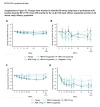
The solution for high bp seems to be... Use retatrutide
Attachments
Ghoul
Member
The solution for high bp seems to be... Use retatrutide
Knuckle dragger brain took over for a second and said “well duh fatty loses weight BP goes down”.
But a big drop in BP happens long before any significant weight loss, so it’s direct action (s).
GLP-1 hitting endothelial cells increases nitrous oxide in blood vessels relaxing them.
GLP-1 in the kidney TLDR increases sodium removal, so less water retention, lowering BP like a diuretic would.
The only Reta specific action is Glucagon increasing heart rate, which lowers blood pressure (an automatic reflex when heart rate goes up).
And after those direct effects plateau, weight loss starts to lower BP even more.
the_pope
Member
Thank you for your reply! Just in time, I was about to order some reta. You've convinced me to go tirz over reta, as you said, fibrosis isn't something I'd like to risk. And even if reta is better at promoting weight loss, it's not like I'm in a hurry or anything. Also, it seems only marginally better.Reta offers faster weight / fat loss, because glucagon keeps the liver producing and releasing glucose, like a small fat burning furnace. This helps clear fatty liver too, but Tirz does as well, just a little more slowly.
Reta does not offer overall better health benefits vs Tirz (at the same weight) especially long term, and particularly for those on AAS and not improving health from major weight loss.
Reta is essentially Tirz (GLP+GIP) + glucagon.
While GLP / GIP are cardio protective. Glucagon is not. It promotes LVH and adds heart stress via elevated RHR.
For the typical weight loss user, Reta’s GLP / GIP agonism, along with the metabolic benefits of significant weight loss on lipids and blood pressure tilt things toward overall heart protection.
But for an AAS user, who’s not losing a ton of fat(so no heart benefit from that), with the well known AAS induced increased LVH risk, AAS elevated BP, losing the offsetting metabolic benefits of going from obese to normal weight, glucagons pro-left ventricular remodeling, pro-fibrosis environment (stimulated collagen production that “locks in” remodeling of a heart under strain), and bumps RHR up, the balance may shift toward added risk instead of benefit.
Tirz doesn’t add the fibrosis or elevated RHR risk of glucagon, at the cost of slightly slower fat loss. It’s entirely heart protective, and approved for post heart attack use. I think it’s doubtful we’ll see Reta used post heart attack, since encouraging fibrosis (scarring) is the last thing you want to do when heart tissue is damaged and needs to heal.
Just my opinion based on what we know about the mechanisms of action of GLP/GIP/Glucagon. Obviously no one is running controlled trials of AAS users using these. We do know unlike GLP/GIP, glucagon carries risks along with its boosted fat burning that led to numerous drugs being cancelled in development, until Reta, which seemed to strike the right balance to take advantage of it without creating more harm than benefit in its target weight loss population.
I think anyone using Reta while on more than TRT level AAS should be certain they’ve got BP under perfect control on cycle, <120/80, to minimize LVH risk.
The cardio protective properties of tirz sound nice, it's something most people on AAS need. If my experience with tirz in the cut goes well, I might consider staying on a low maintenance dose after finishing the cut.
Ghoul
Member
Thank you for your reply! Just in time, I was about to order some reta. You've convinced me to go tirz over reta, as you said, fibrosis isn't something I'd like to risk. And even if reta is better at promoting weight loss, it's not like I'm in a hurry or anything. Also, it seems only marginally better.
The cardio protective properties of tirz sound nice, it's something most people on AAS need. If my experience with tirz in the cut goes well, I might consider staying on a low maintenance dose after finishing the cut.
There are mechanisms of heart damage / LVH from AAS that go beyond high BP and lipids, that aren’t fully understood, only hints from autopsies of tissue changes after early cardiac deaths of bodybuilders.
Although on balance for most people the added risk of glucagon is offset by the protective characteristics of GLP/GIP, that balance may not hold with AAS in the mix.
Like people often point out, “trials aren’t on people like us”, often meant to discount the results (despite them likely being applicable), in this case, a unique AAS risk factor really isn’t in the mix, so apparent safety in the trials may not apply to AAS users.
We have LOTS of members with LVH. The last thing you want to do with a heart under supraphysiological strain is make it less likely to return to its previous “unstretched” condition after the cycle ends by using anything that encourages fibrosis. At least until we know more. That’s my opinion anyway.
SlamSumTest
Member
Re: tirz health benefitsThere are mechanisms of heart damage / LVH from AAS that go beyond high BP and lipids, that aren’t fully understood, only hints from autopsies of tissue changes after early cardiac deaths of bodybuilders.
Although on balance for most people the added risk of glucagon is offset by the protective characteristics of GLP/GIP, that balance may not hold with AAS in the mix.
Like people often point out, “trials aren’t on people like us”, often meant to discount the results (despite them likely being applicable), in this case, a unique AAS risk factor really isn’t in the mix, so apparent safety in the trials may not apply to AAS users.
We have LOTS of members with LVH. The last thing you want to do with a heart under supraphysiological strain is make it less likely to return to its previous “unstretched” condition after the cycle ends by using anything that encourages fibrosis. At least until we know more. That’s my opinion anyway.
Is the actual GLP/GIP mechanism providing a direct benefit to heart health, lipids, etc…or is it more so the weight loss and being in a lean body state that is driving those benefits?
Ghoul
Member
Re: tirz health benefits
Is the actual GLP/GIP mechanism providing a direct benefit to heart health, lipids, etc…or is it more so the weight loss and being in a lean body state that is driving those benefits?
It’s both.
This comes up often, and there’s a lot of confusion because many of the direct benefits of GLP / GIP overlap weight loss health benefits, so it can be hard to untangle.
But make no mistake, it’s been known for a very long time, long before a GLP drug was believed to be possible, from 50+ years of Petri dish experiments, that activating these receptors almost always results in some positive change in whatever cell is involved.
A kind of “fountain of youth” molecule, sounds less and less nuts with every new health benefit that’s being discovered.
You could even characterize weight loss as a side effect of GLP/GIP’s direct effects on the cells involved in regulating energy intake and maintaining weight homeostasis, by restoring proper function to them.
I could list every one of the dozens or so direct effects GLP/GIP exert on cardiomyocytes (heart muscle) specifically if someone really wants, but Ill limit it to the ones related to anti-remodeling and preventing LVH:
Reduces heart muscle cell death (prevents loss of cardiomyocytes that would lead to thinning of the ventricular wall and maladaptive remodeling)
Prevents scarring (reduces fibrosis, maintains ventricular elasticity. preventing stiffening and concentric hypertrophy by decreasing collagen deposition -fyi GLUCAGON does the opposite here).
Optimizes energy use (improves ATP efficiency reducing metabolic stress, which limits pathological hypertrophy; shifts myocardial metabolism toward glucose oxidation. In other words, heart muscle becomes more “fuel efficient” = less harmful waste products produced for the same amount of work).
Reduces inflammation (inhibits the generation of inflammatory particles that drive fibrosis. IE, the “scarring” reaction triggered by heart tissue being damaged by stretching, which “locks in” the damage)..
Enhances blood vessel function (more Nitric oxide production relaxes blood vessels, like tadalafil for the heart, improving oxygen delivery, preventing ischemia-induced (cholesterol blocked vessel) remodeling (undesirable new tissue growth as the heart muscle tries to work around oxygen starvation caused by blocked microscopic blood vessels) FYI, this may be the AAS heart damage / LVH mechanism. Tren, especially but not exclusively is suspected of causing microscopic blood vessels within heart tissue to temporarily contract or get blocked somehow, and why unique features of AAS heart damage can be seen in autopsies, but not the underlying cause. On another note, some similar process of cutting off of oxygen via micro-vessel contraction may be the why long term use of Tren shows loss of brain tissue on imaging, and the epidemic of Trenhead retardation.)
Suppresses harmful growth signaling (directly inhibits pro-hypertrophic growth pathways in heart tissue, limiting LVH)
Reduces oxidative stress (In almost every cell type with GLP/GIP receptors, activation of these receptors triggers their anti-oxidation machinery to go full blast, which is why, for instance, nerve cells in diabetics seem to gain some protection from neuropathy. Oxidation is the final destructive process, and GLP receptor activation is like a local infusion of antioxidants, but from within the nerve cell itself.).
Last edited:
Similar threads


- Replies
- 8
- Views
- 439
- Replies
- 10
- Views
- 339

- Replies
- 10
- Views
- 119
- Question
- Replies
- 7
- Views
- 561


