BALLISTIC
Member
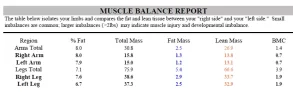
I took an InBody 570 scan this morning and, honestly, I’m questioning how realistic the results are and wanted some informed feedback from people who understand the limitations of BIA.
Context matters here:
I was 100% fasted no food, not even a sip of water beforehand. Scan was done first thing, no training prior. As most know, hydration status heavily influences impedance based readings, especially lean mass and BF%
On top of that, there are some recent variables: I started Retatrutide 4 weeks ago at 265 lb currently 3.5mg, and 500 cruise Test C and 6IU Opti GH.
Diet for the last month has been extremely consistent. 200g protein daily, largely via shakes and meal replacements. One solid meal nightly, typically, Fish or 94% lean ground beef, rice, shredded carrots, snap peas, sprouts, radish, green onion. This is a large meal with around an additional 50 to 75g protein given the source. Light seasoning, occasionally Bachan’s Japanese sauce for palatability. Very low variability, low sodium swings, minimal processed food.
The scan spit out numbers that look exceptionally favorable (very low BF, very high lean mass), which raises flags for me rather than ego boosts. Between fasting, zero hydration, recent GLP/triple-agonist weight loss, I’m wondering how much lean mass inflation and fat mass suppression could be occurring. I understand InBody is best used for trend data under identical conditions, not as an absolute diagnostic...but I’m curious.
How much can acute dehydration skew LBM/BF% in muscular individuals?
Has anyone seen artificially low BF readings when scanning fasted and dry?
For those running GLP-1 / GIP / GCGR agonists, did your scans normalize once weight stabilized?
Not looking to cherry pick results, just trying to interpret the data honestly and decide whether this scan is useful or essentially noise. I will conduct for ups.
Appreciate any insight from people who’ve dug into this beyond surface-level explanations.
Friend works at the gym and she obtained her pro card a while back. She overlooked it and confirmed it's relatively accurate at an EYEBALL level. Just looking for further insight.
Context matters here:
I was 100% fasted no food, not even a sip of water beforehand. Scan was done first thing, no training prior. As most know, hydration status heavily influences impedance based readings, especially lean mass and BF%
On top of that, there are some recent variables: I started Retatrutide 4 weeks ago at 265 lb currently 3.5mg, and 500 cruise Test C and 6IU Opti GH.
Diet for the last month has been extremely consistent. 200g protein daily, largely via shakes and meal replacements. One solid meal nightly, typically, Fish or 94% lean ground beef, rice, shredded carrots, snap peas, sprouts, radish, green onion. This is a large meal with around an additional 50 to 75g protein given the source. Light seasoning, occasionally Bachan’s Japanese sauce for palatability. Very low variability, low sodium swings, minimal processed food.
The scan spit out numbers that look exceptionally favorable (very low BF, very high lean mass), which raises flags for me rather than ego boosts. Between fasting, zero hydration, recent GLP/triple-agonist weight loss, I’m wondering how much lean mass inflation and fat mass suppression could be occurring. I understand InBody is best used for trend data under identical conditions, not as an absolute diagnostic...but I’m curious.
How much can acute dehydration skew LBM/BF% in muscular individuals?
Has anyone seen artificially low BF readings when scanning fasted and dry?
For those running GLP-1 / GIP / GCGR agonists, did your scans normalize once weight stabilized?
Not looking to cherry pick results, just trying to interpret the data honestly and decide whether this scan is useful or essentially noise. I will conduct for ups.
Appreciate any insight from people who’ve dug into this beyond surface-level explanations.
Friend works at the gym and she obtained her pro card a while back. She overlooked it and confirmed it's relatively accurate at an EYEBALL level. Just looking for further insight.
Last edited: