GROWTH HORMONE (GH): KEY EFFECTS AND PROVEN BENEFITS (I)
Growth Hormone (GH) is more than just a key to building muscle mass. Its impact spans across multiple body systems — from fat metabolism and skin condition to bone health and tissue regeneration. This is the first part of an in-depth article, where we’ll walk through the main effects of GH, supported by clinical research and real-world observations.
1. MAINTENANCE AND GROWTH OF MUSCLE MASS
By stimulating protein synthesis, growth hormone promotes muscle recovery and growth. This is extremely important for athletes and anyone looking to preserve muscle mass with age.
How does the anabolic effect of Growth Hormone manifest in blood tests? You redirect nitrogen from the bloodstream into the tissues, thereby increasing muscle mass. Blood urea nitrogen is a result of amino acid metabolism and breakdown; it is a byproduct of this process. A decrease in its levels (removal from the bloodstream) indicates that nitrogen is being used for the synthesis of new proteins.
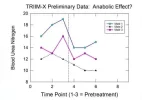
The graphs below clearly demonstrate an increase in muscle mass and a fat-reducing effect compared to the control group, which also leads us to the next point.

2. REDUCTION OF FAT DEPOSITS
Growth hormone enhances lipolysis, effectively targeting stubborn fat deposits, especially in the abdominal area. Growth hormone therapy has a localized effect on reducing abdominal obesity.
There is a vast body of research confirming this fact. One example is the administration of GH to children with deficiency — "Alterations in body composition and fat distribution in growth hormone-deficient prepubertal children during growth hormone therapy" – PubMed.
This study also supports the claim made in the first point.
3. HEALTHY SKELETAL SYSTEM
GH supports bone density and strength, helping to prevent osteoporosis and fractures. The impact of growth hormone replacement therapy on muscles and bones in individuals with GH deficiency is significant and beneficial.
Growth hormone stimulates the formation of osteoblasts — the cells responsible for creating new bone tissue.
Patients with growth hormone deficiency typically exhibit reduced bone mineral density and an increased risk of fractures. GH has a positive effect on bone tissue by stimulating its renewal — "Long-term effects of 7-year growth hormone substitution on bone metabolism, bone density, and bone quality in growth hormone-deficient adults" – PubMed.
4. MAINTAINING SKIN IN A HEALTHY, ELASTIC STATE
Growth hormone increases collagen production, improving skin elasticity and promoting faster tissue regeneration. The stimulation of type I collagen synthesis through growth hormone replacement leads to the deposition of type I collagen in the skin — "Growth hormone substitution in growth hormone-deficient adults: effects on collagen type I synthesis and skin thickness" – PubMed.
5. SKIN RECOVERY AFTER INJURIES, SURGERIES, BURNS, ETC.
Growth hormone or its secondary mediators can directly stimulate epidermal cells during wound healing to produce structural proteins and other components necessary for the restoration of connective structures — "Characterization of growth hormone enhanced donor site healing in patients with large cutaneous burns" – PubMed.
This material is a Part I of a larger article focused on the effects of growth hormone. Share your thoughts — your feedback is important for refining the upcoming sections. Did you find it helpful and easy to follow? Are you interested in this format of presenting information?




















 Fast and reliable delivery
 :
: