Trump Timeline ... Trumpocalypse


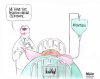
As a private citizen and presidential candidate, Donald Trump was a proponent of vaccine skepticism — ignoring the scientific consensus on stuff like how vaccines don’t cause autism. As president, he is now surrounded by experts on the subject, including on Monday when he held a coronavirus roundtable with his task force and the heads of several pharmaceutical companies.

Yet despite the increasingly scary situation involving the disease and preparations having been underway for weeks, he still appears rather clueless on the subject.

At the event Monday, Trump peppered the drug companies with questions that were some variant of “How fast can you get it done?” But despite this having been a focal point in recent weeks, he still didn’t seem to process the fact that producing a vaccine means conducting months and months of trials before it can be deployed. He even at one point asked whether the flu vaccine could be used to combat coronavirus.


In a sign of growing tension among the Trump administration's health agencies, officials are expressing frustration that a top scientist was initially rebuffed when attempting to visit the CDC in Atlanta last month to help coordinate the government's stalled response to coronavirus testing, two individuals with knowledge of the episode told POLITICO.

Timothy Stenzel, who is the director of the Food and Drug Administration’s Office of In Vitro Diagnostics and Radiological Health, was made to wait overnight on the weekend of Feb. 22 — as senior health department officials negotiated his access in a series of calls — before Centers for Disease Control granted him permission to be on campus. Stenzel's visit had been expected, the individuals said.


The Trump administration is considering using a national disaster program to pay hospitals and doctors for their care of uninsured people infected with the new coronavirus as concerns rise over costs of treating some of the 27 million Americans without health coverage, a person familiar with the conversations said.

In natural disasters such as hurricanes, hospitals and medical facilities can be reimbursed under a federal program that pays them about 110% of Medicare rates for treating patients such as those evacuated from hard-hit areas.

The Centers for Medicare and Medicaid Services has been in discussions about using that program to pay providers who treat uninsured patients with coronavirus, the person said.
 
Back
Top