Wuhan Wansheng Biotechnology Co., Ltd. (USA, International)

Everyone using reta like it was nothing :D theres a ozempic study with animals where they found shrunken hearts in both overweight and lean animals. Fck knows what they gonna find with reta

Thanks for bringing this up.

First, from the start there’s been a lot of “I knew it!” type stories regarding GLP harms that have been blown wildly out of proportion. (Gastric paralysis, “going blind”, suicidal ideation). I think part of it is the desire to validate the puritan morality of “no free lunch”, and at the lower end of human nature, a desire to see those “undeserving fatties” who “cheat” to get some kind of “justice” in the eyes of some,

There’s also a tendency to think GLPs are some very recent development, fraught with unknown long term risks, and not drugs that have actually been in use for 30 years.

In all the large studies, and tens (if not hundred +) of millions of users, no sign of increased heart problems have shown up anywhere. This isn’t some brand new or niche class of drug we don’t have much experience with.

Next, and this is my own analysis, looking at all the plausible mechanisms heart cells could shrink, in my mind is comes down to 2 suspects I think are most plausible:

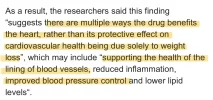
I need to start by pointing out cardiac cell shrinking isn’t necessarily negative. There are numerous positive reasons. GLPs improve endothelial function, lowering blood pressure, for instance, and with reduced pumping force needed, and cardiac hypertrophy reverses because the relief of stress causes cells to respond by shrinking. This also happens when long standing high BP is lowered with other meds, or exercise. On the other hand, some toxic chemotherapy can cause heart cell shrinkage, as can starvation.

BUT: The authors note they observed no reduction in the function of these smaller cardiac cells. That’s a vital clue. When cardiac cells shrink for “bad” reasons, they become dysfunctional. Again, that’s not being seen here.

The key thing for me is that cardiac cells were shrinking in a Petri dish, outside of the body. This eliminates the reduced workload / lower blood pressure explanation. The “good remodeling” explanation I was hoping for. Something that would be particularly useful for AAS users since so many here have LVH as a result of AAS use and intense physical strain.

That leaves two plausible possibilities. Both could be caused by cardiac cells directly coming into contact with GLP.

(By the way, standard procedure is to have these cells, which are alive and functioning, in a a “pro anabolic” environment with IGF and nutrients to support growth, so if the cell wants to grow (hypertrophy) it can. In other words, it’s not shrinking because it’s being starved of nutrients or IGF-1).

1. Reduced stress signaling. Cardiac cells respond to “stress signals” with hypertrophy (how we develop enlarged hearts) and reduced stress by shrinking. The major stressor is oxidation.

Or

2. Some kind of catabolic program is activated by GLP, causing cardiac cells to break down protein,

Here’s the bottom line for me.

I strongly suspect it’s 1, reduced oxidation stress signals relieving the cardiac cells of that burden, so they shrink down to the size they’d be had they not been exposed to as much oxidative stress. This is a “good” type of shrinkage.

The reason I believe it’s probably this is because this is the same GLP effect that has been shown to happen to dozens of other cell types.
From nerve and pancreatic cells to artery linings (endothelium), GLP makes cells less susceptible to oxidation damage, so they function better, live longer, inflammation goes down.

The “catabolic program” causing shrinkage is much less likely imo. We haven’t seen any of the negative effects on heart function that go along with this, though it might affect few enough people it’s been missed. Also, the blood markers that would indicate heart catabolism haven’t been reported in studies or on patients. Finally, there’s no other example of GLP induced “catabolic program” activation anywhere else. This is the main reason I think of it’s highly unlikely.

It’s going to be looked into more deeply, as it should be, but as of now there’s no negative cardiac health signal whatsoever out there, it’s the opposite, heart health improves dramatically, and not just in overweight folks (though lean people using GLPs haven’t been closely studied nearly as much).

Personally I think we’re going to find out this is yet another benefit of GLPs, heart muscle tissue is shrinking because it’s being exposed to less oxidative stress.

 
Last edited:
Thanks for bringing this up.

First, from the start there’s been a lot of “I knew it!” type stories regarding GLP harms that have been blown wildly out of proportion. (Gastric paralysis, “going blind”, suicidal ideation). I think part of it is the desire to validate the puritan morality of “no free lunch”, and at the lower end of human nature, a desire to see those “undeserving fatties” who “cheat” to get some kind of “justice” in the eyes of some,

There’s also a tendency to think GLPs are some very recent development, fraught with unknown long term risks, and not drugs that have actually been in use for 30 years.

First, in all the large studies, and tens (if not hundred +) of millions of users, no sign of increased heart problems have shown up anywhere. This isn’t some brand new or niche class of drug we don’t have much experience with.

Secondly, and this is my own analysis, looking at all the plausible mechanisms heart cells could shrink. It comes down to 2 suspects I think are most likely:

First I have to point out that cardiac cell shrinking isn’t necessarily negative. There are numerous positive reasons. GLPs improve endothelial function, lowering blood pressure, for instance, which reduced pumping force needed, and cardiac hypertrophy reverses because the relief of stress causes cells to respond by shrinking. On the other hand, some toxic chemotherapy can cause heart cell shrinkage, as can starvation.

BUT: The authors note they observed no reduction in the function of these smaller cardiac cells. That’s a vital clue. When cardiac cells shrink for “bad” reasons, they become dysfunctional. Again, that’s not being seen here.

The key thing for me is that cardiac cells were shrinking in a Petri dish, outside of the body. This eliminates the reduced workload / lower blood pressure explanation. The “good remodeling” explanation I was hoping for. Something that would be particularly useful for AAS users since so many here have LVH as a result of AAS use and intense physical strain.

That leaves two plausible possibilities. Both could be caused by cardiac cells directly coming into contact with GLP.

(By the way, standard procedure is to have these cells, which are alive and functioning, in a a “pro anabolic” environment with IGF and nutrients to support growth, so if the cell wants to grow (hypertrophy) it can. In other words, it’s not shrinking because it’s being starved of nutrients or IGF-1).

1. Reduced stress signaling. Cardiac cells respond to “stress signals” with hypertrophy (how we develop enlarged hearts) and reduced stress by shrinking. The major stressor is oxidation.

2. Some kind of catabolic program is activated by GLP, causing cardiac cells to break down protein,

Here’s the bottom line for me.

I strongly suspect it’s 1, reduced oxidation stress signals relieving the cardiac cells of that burden, so they shrink down to the size they’d be had they not been exposed to as much oxidative stress. This is a “good” type of shrinkage.

The reason I believe it’s probably this is because this is the same GLP effect that has been shown to happen to dozens of other cell types. From nerve and pancreatic cells to artery linings (endothelium), GLP makes cells less susceptible to oxidation damage, so they function better, live longer, inflammation goes down.

The “catabolic program” causing shrinkage is much less likely imo. We haven’t seen any of the negative effects on heart function that go along with this, though it might affect few enough people it’s been missed. Also, the blood markers that would indicate heart catabolism haven’t been reported in studies or on patients. Finally, there’s no other example of GLP induced “catabolic program” activation anywhere else. This is the main reason I think of it’s highly unlikely.

It’s going to be looked into more deeply, as it should be, but as of now there’s no negative cardiac health signal whatsoever out there, it’s the opposite, heart health improves dramatically, and not just in overweight folks (though lean people using GLPs haven’t been closely studied nearly as much).

Personally I think we’re going to find out this is yet another benefit of GLPs, heart muscle tissue is shrinking because it’s being exposed to less oxidative stress.

Just asking…this report or studies that you shared

Is this for all GLP medications Sema, Tirz and Reta??

I didn’t know that GLP‘s helped with blood pressure. It could be a reason that my blood pressure has gone down significantly other than also losing about 30 pounds of weight in the past few months.

I was over 150/95

Now I’m usually 115-125/75-90
 
Anyone ever use GLOW or KLOW aka Wolverine stack?

What are your thoughts on these peptides? I was thinking about buying some for me and the girl.
Stings abit in some spots but works good. I’ve had swelling from it in wrist areas. But I found if you dilute enough it fixes that issue,
 

Sponsors

Latest posts

Back
Top