Dimer is an aggregate (the smallest aggregate) that’s just 2 monomers attached, so it’s thousands of times smaller than a filter pore and gets through easily. Some amount of dimer may “come apart” in the column that that sample goes through but for the most part dimer is insoluble, stays together and you get an accurate measurement.
As for “purity”, the meaning of that word in the context of chemical analysis isn’t the same as it is in every day speech. It has nothing (well, little) to do with safety.
The equivalent would he taking a sample of your home tap water, running it through a filter that removes every contaminant down to the size of bacteria, then testing shows it’s 99.9% h20. Does that mean it’s safe to drink from the tap?
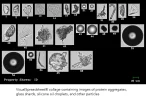
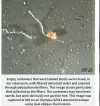
If you’re not filtering with the same .22um filter used on the sample, you aren’t injecting what you see on the test result. You’re getting the “raw milk” version, complete with bacteria, protein aggregates, glass flakes, plastic strands, metal particulates, etc commonly found in vials of Chinese peptides.
View attachment 370553View attachment 370552