Protein Drinks: What's in them? The full report and List of Danger Drinks

m_ob

New Member
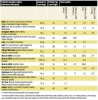
Here are the average amounts of metals we found in three servings of these protein drinks. The maximum limits for them in dietary supplements proposed by the U.S. Pharmacopeia are: arsenic (inorganic), 15 micrograms (µg) per day; cadmium, 5 µg; lead, 10 µg; mercury, 15 µg. Amounts at or exceeding those limits are in bold. Experts said three servings a day is common.
 

Attachments

  • protein-drinks.jpg
    protein-drinks.jpg
    73.9 KB · Views: 51
[ame=http://www.youtube.com/watch?v=ZRgZuS_U9TQ&feature=player_embedded]YouTube - Protein Drink Dangers[/ame]
 
Last edited by a moderator:
Here are the average amounts of metals we found in three servings of these protein drinks. The maximum limits for them in dietary supplements proposed by the U.S. Pharmacopeia are: arsenic (inorganic), 15 micrograms (µg) per day; cadmium, 5 µg; lead, 10 µg; mercury, 15 µg. Amounts at or exceeding those limits are in bold. Experts said three servings a day is common.

Looking at this chart alone, it is interesting how the data is manipulated for the sake of anti-protein propaganda.

* Notice how "protein powders" are lumped in with "meal replacement drinks". If you look carefully, you will notice that ONLY the "meal replacement drinks" have high amounts of arsenic and lead. The "protein powders" are all low in these metals. Yet, they use this data to condemn "protein"!

Why not condemn the carbohydrates and fats in the drinks instead? Given the relatively low metals in the true protein powders, they could have more logically concluded that the toxic metals accompanied the carb/fat-based ingredients!

Interestingly, why didn't they compare 100 grams of one product with 100 grams of another product? Instead they compare 60 grams to 96 grams to 132 grams to 210 grams

I welcome more lab testing to pressure supplement companies to improve their quality control. But clearly the authors had a pre-existing agenda that they worked hard to make the data support.

 
Also, see Rick Collins' response to the Consumer Reports anti-protein piece!

http://www.truealphatraining.com/2010/06/04/are-protein-drinks-dangerous/

It’ll take some time to fully dissect the findings. Obviously, nobody needs to ingest unsafe levels of heavy metals. But 12 of the 15 did not contain unacceptable levels of any heavy metals in a full three (3) servings daily. Of the 3 that did show unacceptable levels, again, it was only at 3 servings daily, not one or 2. Only one product had levels of arsenic above the proposed USP limit. Further, the USP limits are based on a person weighing only 110 pounds — considerably less than many if not most protein shake drinkers.

The Natural Products Association, a dietary supplement industry trade group, has issued a response observing that the levels found were all below the FDA’s own standards for what is tolerable, and that the levels were far below what is found in many foods!

 
I apprechiate you looking deeper into this. Obviously ,as you pointed out, after further more thorough evaluation you can tell something is biased here. I too would like to see more studies still, maybe by the protein companies this time. I do have one question on this though and that is how are these metals getting in there in the first place..? Cross-contamination or just a by-product?
 
Last edited:
Also, interesting that the only three drinks to fail the Consumer Reports tests were all dietary supplements manufactured by a pharmaceutical company. You would expect a pharmaceutical company to have better quality control than its competitors in the sports nutrition area...
 
Back
Top