


The latest findings reveal that between 1973 and 2011, the concentration of sperm in the ejaculate of men in western countries has fallen by an average of 1.4% a year, leading to an overall drop of just over 52%. The study, published in the journal Human Reproduction Update by an international team of researchers, drew on 185 studies conducted between 1973 and 2011, involving almost 43,000 men. The team split the data based on whether the men were from western countries -- including Australia and New Zealand as well as countries in North America and Europe -- or from elsewhere. After accounting for factors including age and how long men had gone without ejaculation, the team found that sperm concentration fell from 99 million per ml in 1973 to 47.1 million per ml in 2011 -- a decline of 52.4% -- among western men unaware of their fertility. For the same group, total sperm count -- the number of sperm in a semen sample -- fell by just under 60%.
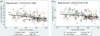
Temporal trends in sperm count: a systematic review and meta-regression analysis | Human Reproduction Update | Oxford AcademicIn this comprehensive meta-analysis, sperm counts whether measured by SC or TSC declined significantly among men from North America, Europe and Australia during 1973–2011, with a 50–60% decline among men unselected by fertility, with no evidence of a ‘leveling off’ in recent years. These findings strongly suggest a significant decline in male reproductive health, which has serious implications beyond fertility concerns. Research on causes and implications of this decline is urgently needed.


