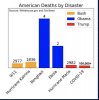
Trump Timeline ... Trumpocalypse


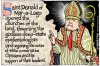
President Trump promised last week to release a letter he had supposedly received from a Westchester County doctor about the efficacy of using hydroxychloroquine to cure coronavirus.

But nine days later, Trump hasn’t made good on that pledge, and White House spokespeople have refused to even provide the Daily News with the name of the alleged doctor.

Trump referenced the mystery New York doctor as an aside on May 18 after revealing he had been popping hydroxychloroquine pills preventatively for a couple of weeks, even though his own health experts had warned that the drug could cause serious side effects and has not been proven as an effective COVID-19 cure.

The president described the alleged doctor as a practitioner “from Westchester, New York, around that area” and called his letter “positive.”

“He didn’t want anything. He just said, ‘Sir, I have hundreds of patients and I give them hydroxychloroquine ... And out of the hundreds of patients — many hundreds, over 300 patients — I haven’t lost one,’" Trump said in the State Dining Room of the White House. "He said, ‘Please keep pressing that, sir.’”

Unprompted, Trump brought up the alleged letter again during the same event and said he’d be happy to give it to reporters.


President Trump is preparing to sign an executive order Thursday that could roll back the immunity that tech giants have for the content on their sites, according to two people familiar with the matter.

Trump’s directive chiefly seeks to embolden federal regulators to rethink a portion of law known as Section 230, according to the two people, who spoke on the condition of anonymity to describe a document that could still evolve and has not been officially signed by the president. That law spares tech companies from being held liable for the comments, videos and other content posted by users on their platforms.

The law is controversial. It allows tech companies the freedom to police their platforms for abuse without fear of lawsuits. But critics say those exceptions have also allowed some of Silicon Valley’s most profitable companies to skirt responsibility for the harmful content that flourishes on their online platforms, including hate speech, terrorist propaganda and election-related falsehoods.

The order would prompt federal officials to open a proceeding to reconsider the scope of the law, the people familiar with the document said. A change could mean potentially dramatic free-speech implications and wide-ranging consequences for a broad swath of companies reliant on doing business on the Internet.

The order would also seek to channel complaints about political bias to the Federal Trade Commission, which would be encouraged to probe whether tech companies’ content-moderation policies are in keeping with their pledges of neutrality. It would also require federal agencies to review their spending on social media advertising, according to the people familiar with the White House’s thinking.
 
Back
Top