For what it’s worth, I’ve passed Orgo 1 and Orgo 2 with a B, so I feel like I’m able to comment on this boldenone situation.
Color variation in EQ solutions is not a reliable indicator of dose, purity, or product quality. The color you see in an oil is almost always due to trace-level impurities, not the amount of active boldenone undecylenate present. Impurities can also behave differently when heat is applied during brewing. Small differences in time or temperature can cause minor oxidation or chromophore changes in the impurity itself, which can darken or yellow the oil without affecting the actual boldenone molecule.
If boldenone itself were oxidized from overexposure to heat it would no longer be boldenone. Oxidation means a loss of electrons, which changes the molecular structure. Analytical testing would pick that up immediately as either a lower boldenone content or the presence of degradation products. You don’t get “oxidized boldenone” that still counts as boldenone in testing. So the mg dose on the test is accurate despite the color assuming the same raw batch was used, it is likely just a difference in how the raws were brewed.
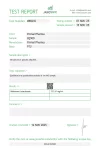
If a batch tests at 300 mg/mL by MS, then it is 300 mg/mL of intact boldenone undecylenate. MS isn’t fooled by color, oil clarity, or impurities that aren’t boldenone.
I don’t see how we are holding primal at fault here unless he didn’t test the final product before selling it. Even if the initial raws were different, if the final product tested at 300mg/ml he is selling what is advertised. If I’m completely misunderstanding the situation then ignore my comments and continue the roasting.