The depressing reality about climate change is that we could solve the problem, at manageable cost, but are failing to do so. This failure is due to a mixture of blindness and self-deception. The blindness comes from those, such as US president Donald Trump, who deny the reality of climate change. The self-deception comes from those who accept the reality, but only pretend to solve it. We must do better than this — and very soon. This is no longer a scientific or technological challenge, it is far more a political and social one.
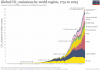
The Emissions Gap Report 2018 from the UN lays out the past failure with brutal clarity. This year will most likely be the fourth warmest year on record since 1880, with the past five years the warmest ever recorded. Worse, in 2017 emissions increased once again, after three years of stagnation. We are still to turn this corner.
Furthermore, notes the report, the “nationally determined commitments” made in the context of the Paris agreement, in 2015, would be insufficient, even if implemented, to keep the increase in global average temperatures to below 1.5C above the pre-industrial level, as most experts think desirable. Instead, states the report, “current NDCs imply global warming of about 3C by 2100, with warming continuing afterwards”. Moreover, the shift has to start now: if emissions do not turn down before 2030, it will be too late to stay below 2C.
…
The tragedy is that while the scientists and technologists have won the argument, the climate sceptics and deniers have effectively won the policy debate: we are doing far too little, far too late. It is now essential to transform the discussion from fear of what the carbon-transition will cost to hope for the opportunities it will bring. What is needed now are people and organisations — above all, politicians — able and willing to persuade humanity that a promised land of sustainable prosperity for all is within our collective reach.